“`html
If you have ever wondered how to create a mouthwatering dish bursting with rich, sweet-savory flavors, then let me introduce you to this Korean Beef Bulgogi Recipe. It’s a perfect blend of tender, thinly sliced ribeye or sirloin bathed in a luscious marinade packed with garlic, ginger, and a hint of Asian pear for natural sweetness. The caramelized, honey-butter glaze finishing touch promises a delightful balance that makes every bite unforgettable. Whether you’re new to Korean cooking or a seasoned fan, this recipe is a must-try to bring that authentic Korean BBQ experience right into your kitchen.
Ingredients You’ll Need
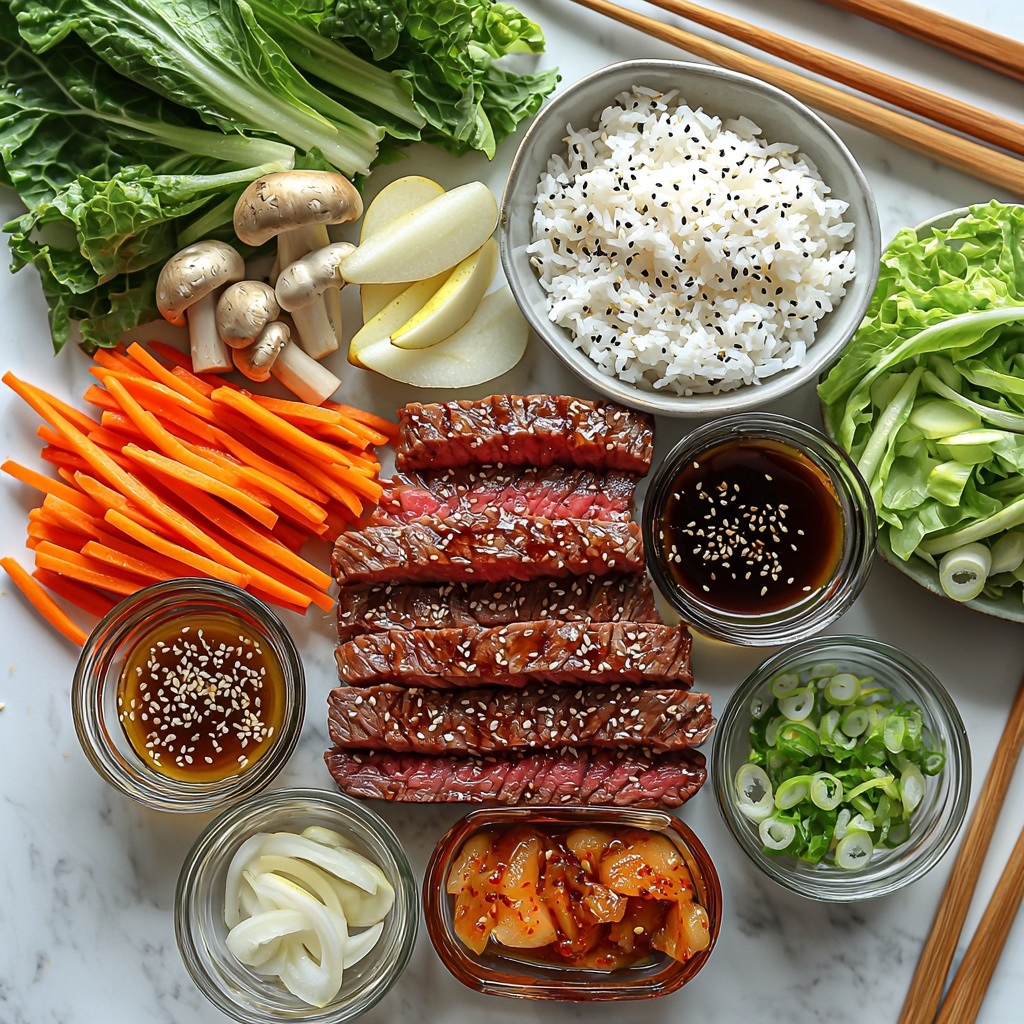
Each ingredient in this Korean Beef Bulgogi Recipe is chosen with care, providing layers of flavor, texture, and color that come together beautifully. From the soy sauce’s salty depth to the subtle fruity brightness of grated Asian pear, every element plays a crucial role in crafting this sensational dish.
- 1.5 lbs ribeye or sirloin steak, thinly sliced against the grain: Using tender cuts sliced thinly ensures a juicy, melt-in-your-mouth texture.
- 6 tbsp soy sauce: The savory base that gives bulgogi its signature umami flavor.
- 3 tbsp brown sugar: Adds natural sweetness and helps achieve that irresistible caramelization.
- 2 tbsp sesame oil: Contributes a rich, nutty aroma that’s unmistakable in Korean cooking.
- 4 cloves garlic, minced: A punch of sharp, fragrant flavor that brightens the marinade.
- 1 tbsp fresh ginger, grated: Adds a warm, zesty note to balance the sweetness.
- 1/2 Asian pear or red apple, grated: Acts as a secret tenderizer and adds a subtle fruity sweetness.
- 2 tbsp mirin (optional): Brings a delicate hint of sweetness and luster to the beef.
- 1 tbsp gochujang (optional, for spice): For those who want a spicy kick, this fermented chili paste deepens the flavor.
- 1/4 tsp black pepper: Adds a mild heat and depth.
- 2 tbsp finely chopped green onions: Freshness and mild pungency brighten each bite.
- 1 tsp toasted sesame seeds: A nutty crunch that doubles as a garnish inside the marinade.
- 1 tbsp neutral oil (for cooking): Neutral-tasting oil ensures perfect searing without overpowering flavors.
- 1 small onion, thinly sliced: Adds sweetness and texture during sautéing.
- 1 carrot, julienned: Offers a pop of color and subtle crunch.
- 1 cup mushrooms (shiitake or white button), sliced: Earthy, umami-packed bite complements the beef beautifully.
- 2 tbsp honey butter (1 tbsp melted butter + 1 tbsp honey, mixed): Creates a luscious glaze that caramelizes the beef perfectly.
- Cooked rice, for serving: The ideal base that soaks up every delicious drop of sauce.
- Lettuce leaves or perilla leaves, for wrapping: Adds freshness and a traditional Korean way to enjoy bulgogi.
- Extra sesame seeds and sliced green onions, for garnish: Finishing touches that make your dish look and taste spectacular.
How to Make Korean Beef Bulgogi Recipe
Step 1: Prepare the Beef
Start by placing the beef in the freezer for about 30 minutes to firm it up. This little trick makes it much easier to slice thinly and evenly, which is crucial for tender bulgogi. Use a sharp knife and slice the ribeye or sirloin against the grain into thin strips; this ensures that the beef cooks quickly and stays tender.
Step 2: Make the Marinade
In a large bowl, whisk together the soy sauce, brown sugar, sesame oil, minced garlic, grated ginger, and grated Asian pear or red apple. If you like, add the optional mirin for sweetness and gochujang for a spicy depth. Finish by stirring in black pepper, chopped green onions, and toasted sesame seeds. This marinade is the heart and soul of the dish, bringing together sweet, savory, nutty, and spicy elements.
Step 3: Marinate the Beef
Add the thinly sliced beef to the marinade, making sure every piece is fully coated and bathed in flavor. Cover the bowl and refrigerate for at least one hour; if you have more time, marinate it overnight. The longer the beef rests, the more tender and flavorful it becomes.
Step 4: Prepare the Vegetables
While the beef is soaking up all those incredible flavors, slice the onion thinly, julienne the carrot, and slice the mushrooms. These vegetables will add wonderful texture and a caramelized sweetness when sautéed later.
Step 5: Cook the Bulgogi
Heat a grill pan or heavy skillet over medium-high heat and add the neutral oil. Cook the marinated beef in batches so the pan doesn’t get crowded. Sear each batch for 2 to 3 minutes per side until you see a beautiful caramelization forming. Just before removing the beef, drizzle the honey butter over the pieces and toss quickly to give that signature glossy, sweet glaze that makes Korean Beef Bulgogi Recipe so special.
Step 6: Sauté the Vegetables
In the same pan, add the sliced onion, carrot, and mushrooms. Sauté for 3 to 4 minutes until softened and lightly browned. This step not only gives you delicious veggies but also lets them soak up all the flavorful bits left in the pan from cooking the beef.
Step 7: Serve
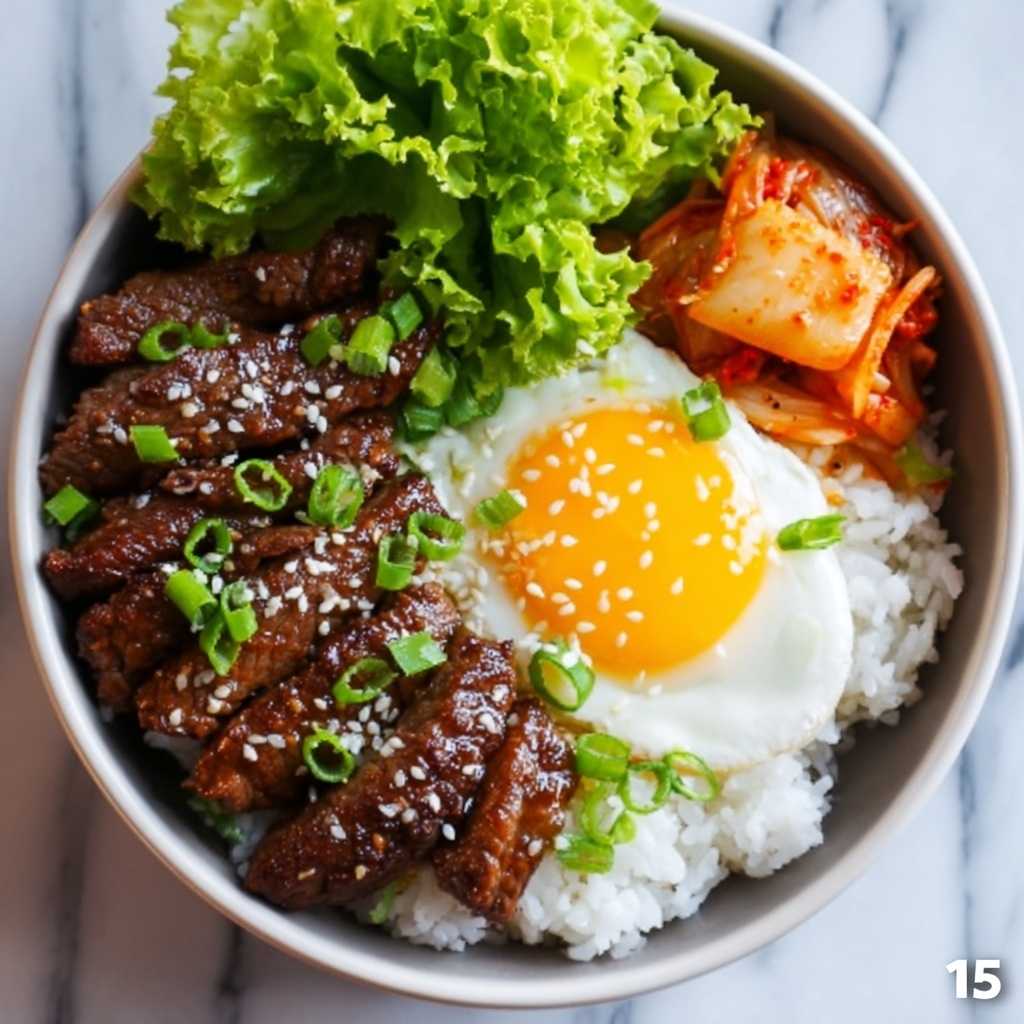
Arrange the tender, glazed beef alongside the sautéed vegetables on a serving plate. Sprinkle with extra sesame seeds and sliced green onions to add a fresh, nutty finish. Serve the bulgogi hot with steamed rice or wrapped in crisp lettuce or perilla leaves. Adding kimchi on the side makes it a truly authentic and well-rounded Korean meal experience.
How to Serve Korean Beef Bulgogi Recipe
Garnishes
Garnishing with extra toasted sesame seeds and sliced green onions adds vibrant color, crunch, and a burst of freshness that elevate the dish to eye-catching and irresistible.
Side Dishes
Traditional sides like kimchi, steamed rice, or steamed vegetables pair wonderfully with bulgogi, providing balance with tanginess, texture, and wholesome comfort.
Creative Ways to Present
For a fun and interactive meal, lay out all components buffet-style with lettuce or perilla leaves for DIY wraps. You can also use the bulgogi as a topping on bibimbap bowls, or add a fried egg on top for extra indulgence.
Make Ahead and Storage
Storing Leftovers
Store any leftover bulgogi in an airtight container in the refrigerator for up to 3 to 4 days. Keeping it refrigerated promptly preserves the tender flavor and freshness.
Freezing
You can freeze leftover cooked bulgogi for up to 2 months. Place it in a freezer-safe container or heavy-duty freezer bag, making sure to remove excess air to maintain optimal flavor and texture.
Reheating
To reheat, warm the bulgogi gently in a skillet over medium heat until heated through, adding a splash of water or broth if needed to prevent drying out. Avoid microwaving if possible, as reheating slowly preserves that caramelized texture and juicy tenderness.
FAQs
Can I use a different cut of beef for this recipe?
Yes! While ribeye or sirloin are ideal for their tenderness and flavor, you can also use flank steak or skirt steak. Just be sure to slice it thinly against the grain to keep it tender and quick-cooking.
Is it necessary to use Asian pear or apple in the marinade?
The grated pear or apple acts as a natural meat tenderizer and adds a subtle sweetness that balances the savory marinade beautifully. However, if you can’t find them, the marinade will still be delicious without it.
How spicy is this recipe with gochujang?
Gochujang adds a gentle heat and a deep umami flavor. The spiciness is mild to moderate and can be adjusted or omitted based on your heat preference.
Can I make this recipe vegetarian or vegan?
Traditionally, bulgogi features beef, but you can swap the meat for mushrooms, tofu, or seitan marinated in the same sauce for a vegetarian-friendly twist that still captures the bold flavors of the Korean Beef Bulgogi Recipe.
What’s the best way to slice the beef if you don’t have a freezer?
If you don’t have a freezer to firm the meat, partially freezing it in the coldest part of your fridge can help. Otherwise, using a very sharp knife and slicing against the grain as thinly as possible works well too — patience is key!
Final Thoughts
This Korean Beef Bulgogi Recipe is truly a treasure worth making at home. It effortlessly combines familiar ingredients into a dish that feels both special and comforting, perfect for sharing with family and friends. Once you try it yourself, I promise it will become a beloved staple you revisit again and again. So grab your knife and skillet, and let’s bring a slice of Korea’s vibrant food culture right to your table.
“`
Print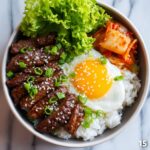
Korean Beef Bulgogi Recipe
- Prep Time: 45 minutes
- Cook Time: 40 minutes
- Total Time: 1 hour 25 minutes
- Yield: 4 servings
- Category: Main Course
- Method: Grilling
- Cuisine: Korean
Description
This Korean Beef Bulgogi recipe features thinly sliced ribeye or sirloin steak marinated in a flavorful blend of soy sauce, brown sugar, sesame oil, garlic, ginger, and Asian pear, then grilled to caramelized perfection. Served with sautéed vegetables and garnished with sesame seeds and green onions, it’s a delicious and authentic Korean dish perfect for a satisfying meal with rice and leafy wraps.
Ingredients
Beef and Marinade
- 1.5 lbs ribeye or sirloin steak, thinly sliced against the grain
- 6 tbsp soy sauce
- 3 tbsp brown sugar
- 2 tbsp sesame oil
- 4 cloves garlic, minced
- 1 tbsp fresh ginger, grated
- 1/2 Asian pear or red apple, grated
- 2 tbsp mirin (optional)
- 1 tbsp gochujang (optional, for spice)
- 1/4 tsp black pepper
- 2 tbsp finely chopped green onions
- 1 tsp toasted sesame seeds
Cooking
- 1 tbsp neutral oil (for cooking)
- 1 small onion, thinly sliced
- 1 carrot, julienned
- 1 cup mushrooms (shiitake or white button), sliced
- 2 tbsp honey butter (1 tbsp melted butter + 1 tbsp honey, mixed)
To Serve
- Cooked rice
- Lettuce leaves or perilla leaves, for wrapping
- Extra sesame seeds and sliced green onions, for garnish
Instructions
- Prepare the Beef: Place the beef in the freezer for 30 minutes to firm up, making it easier to slice. Using a sharp knife, cut the beef into thin strips against the grain for maximum tenderness.
- Make the Marinade: In a large bowl, whisk together soy sauce, brown sugar, sesame oil, minced garlic, grated ginger, grated Asian pear or apple, mirin (if using), gochujang (if desired for spice), and black pepper. Stir in chopped green onions and toasted sesame seeds to deepen the flavor.
- Marinate the Beef: Add the sliced beef to the marinade, ensuring every piece is fully coated. Cover and refrigerate for at least one hour, preferably overnight, allowing the flavors to meld and the meat to tenderize.
- Prepare Vegetables: While the beef marinates, thinly slice the onion, julienne the carrot, and slice the mushrooms to prepare for sautéing.
- Cook the Bulgogi: Heat a grill pan or cast iron skillet over medium-high heat and add neutral oil. Cook the marinated beef in batches to avoid overcrowding, searing each side for 2 to 3 minutes until caramelized and browned. Just before finishing, drizzle honey butter over the beef and toss quickly to coat and create a delicious glaze. Remove cooked beef from the pan and set aside.
- Sauté the Vegetables: In the same pan, add the sliced onion, carrot, and mushrooms. Sauté for 3 to 4 minutes until the vegetables soften and become lightly caramelized, absorbing the rich flavors left behind from the beef.
- Serve: Arrange the cooked beef and sautéed vegetables on a serving plate. Garnish with extra sesame seeds and sliced green onions. Serve hot with steamed rice or wrapped in lettuce or perilla leaves, accompanied by kimchi for an authentic Korean dining experience.
Notes
- For best results, marinate the beef overnight for maximum flavor and tenderness.
- Using ribeye gives a richer taste, but sirloin is a leaner, budget-friendly alternative.
- Honey butter adds a lovely glaze—do not skip this step for authentic taste.
- Gochujang is optional and adds spice; adjust according to your heat preference.
- Use Asian pear or red apple for natural sweetness and tenderizing enzymes.
- Serve with traditional Korean side dishes like kimchi for a complete meal.
- Slice beef thinly against the grain to ensure tenderness.