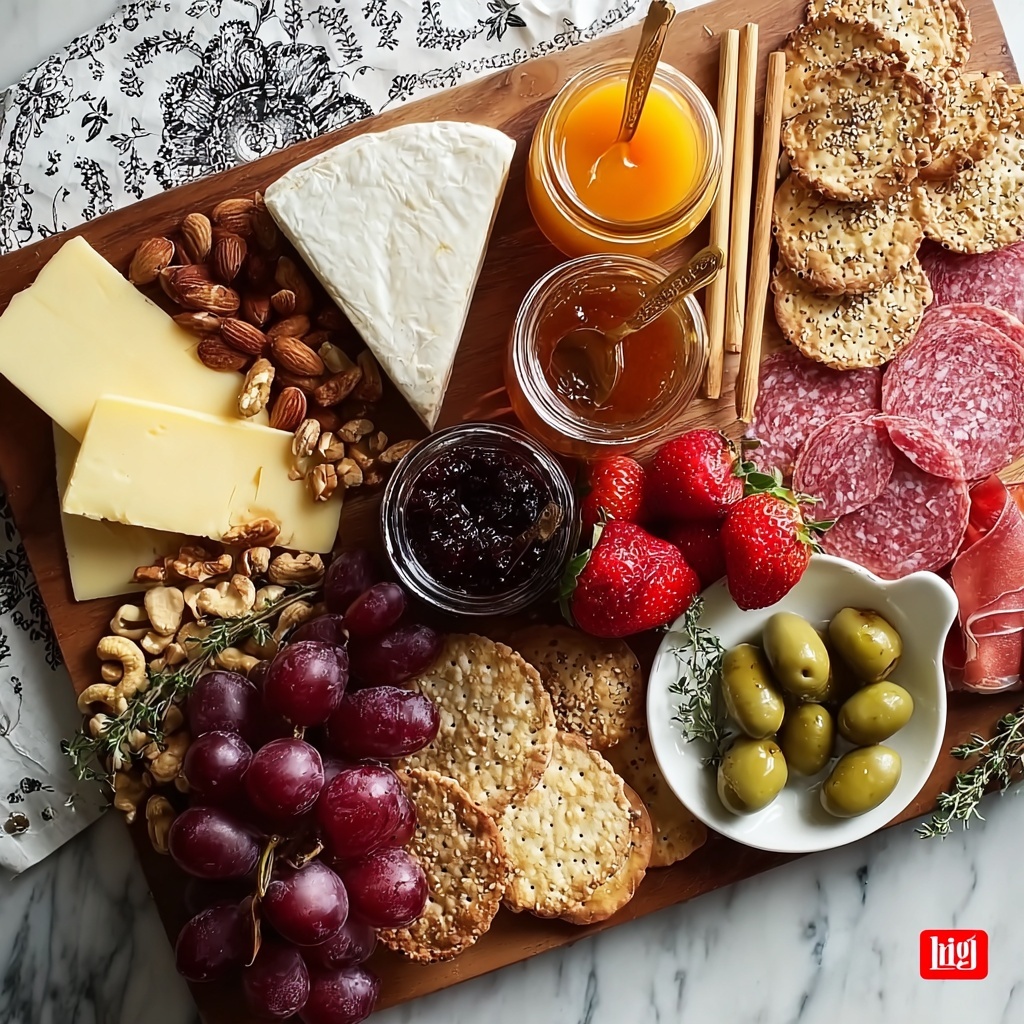
If you’ve ever wondered how to impress guests with minimal effort yet maximum wow factor, this is your go-to guide on How to Make a Cheese Platter for Entertaining Recipe. This delicious, artfully composed cheese platter brings together diverse flavors and textures—from creamy Brie to sharp Parmigiano Reggiano—punctuated by savory bites and sweet highlights. It’s not just a dish but an experience, perfect for casual gatherings, cocktail parties, or elegant soirees. Let me walk you through crafting this stunning spread that guarantees smiles and satisfied palates every time.
Ingredients You’ll Need
The beauty of this cheese platter lies in its simplicity and balance. Each ingredient plays a crucial role—from the cheeses providing variety and richness, the savory extras adding depth, to the sweet accompaniments offering that irresistible hint of contrast. Together, they create a visually appealing and delightfully flavorful ensemble.
- Soft cheese (Brie or Camembert): Offers a creamy, smooth texture that melts in your mouth and rounds out the sharper flavors.
- Semi-hard cheese (Aged Cheddar, Fontina, or Smoked Gouda): Brings a nutty, chewy element to the platter that adds body and substance.
- Hard cheese (Parmigiano Reggiano): Provides a salty, crystalline crunch that elevates the savory profile beautifully.
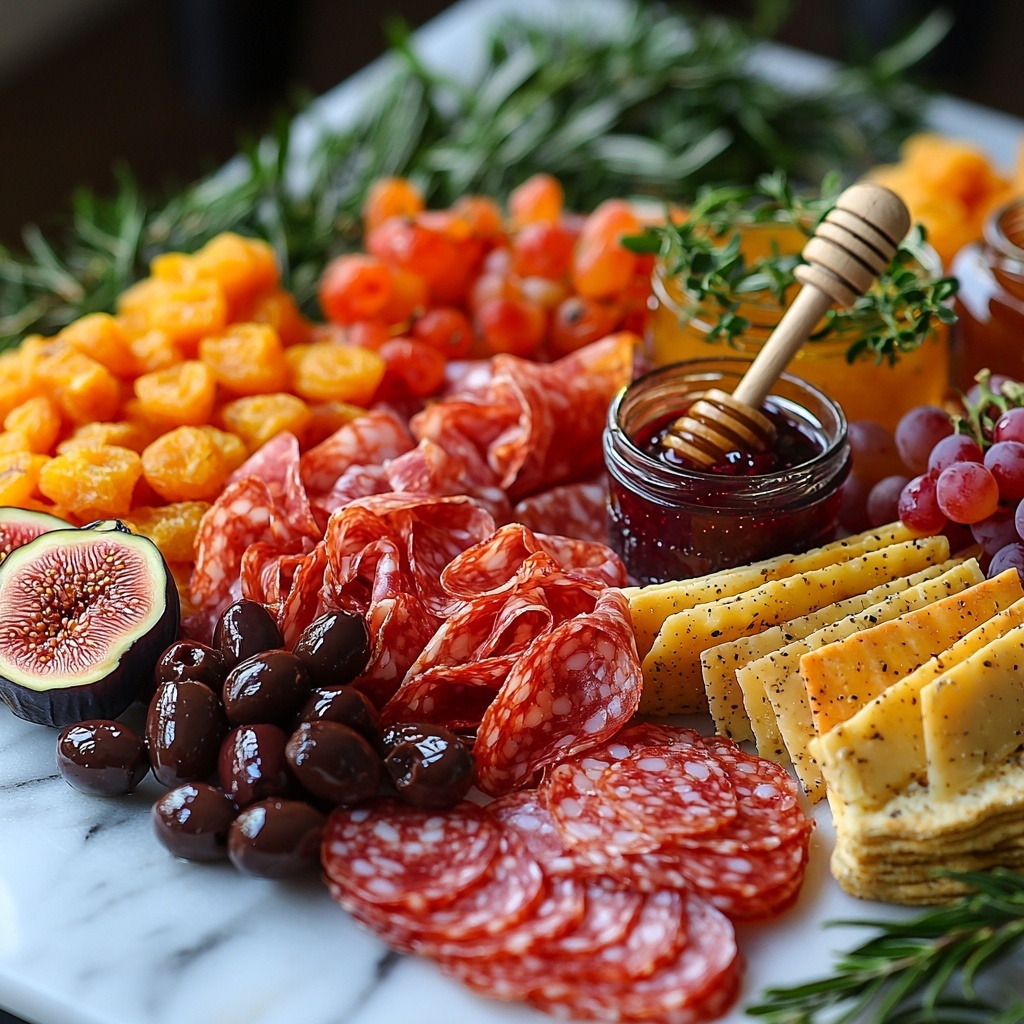
- Marinated olives: Add briny complexity and a touch of Mediterranean flair.
- Raw or roasted nuts: Introduce satisfying crunch and varied roasted flavors.
- Smoked nuts: Bring a smoky, aromatic depth that contrasts nicely with creamy cheeses.
- Prosciutto or salami: Offers a rich, salty meatiness, perfect for nibbling alongside cheese.
- Breadsticks: Provide a crisp, easy-to-grip vehicle for cheeses and accompaniments.
- Artichoke hearts: Impart a tender, subtly tangy bite to the platter.
- Fresh fruit (grapes, berries, apricots, fresh figs): Lend sweetness, juiciness, and vibrant color.
- Dried fruit: Adds concentrated sweetness and chewy texture.
- Jam (fig jam is a classic choice): Offers luscious sweetness that pairs beautifully with salty cheese.
- Honey: Drizzled lightly, it complements and balances savory flavors perfectly.
- Crackers or sliced bread: Essential carriers that provide crunch and a neutral flavor base.
How to Make How to Make a Cheese Platter for Entertaining Recipe
Step 1: How Much and What to Buy
Plan for about 85 to 115 grams (3 to 4 ounces) of cheese per person to ensure everyone gets a generous portion without going overboard. Select at least three types of cheese representing different textures and flavors—a soft, a semi-hard, and a hard cheese—to keep your platter exciting and well-balanced.
Step 2: Follow a Simple Formula
The 3 × 3 × 3 rule is a game-changer. Choose 3 types of cheese, 3 savory accompaniments, and 3 sweet accompaniments, then add crackers or bread to complete the platter. This formula makes assembling the platter effortless but diverse enough to cater to all palates.
Step 3: Ask for Help
When in doubt, don’t hesitate to ask at the cheese counter. A knowledgeable cheesemonger can recommend cheeses tailored to your guests’ tastes and help you buy exactly the right amounts. Their expertise can prevent unnecessary waste and guarantee top-quality selections.
Step 4: Let the Cheese Rest
Remove cheeses from the refrigerator at least 30 minutes before serving to unlock their fullest flavors and ideal textures. Serve semi-hard cheeses whole or in large chunks to keep them moist, while hard cheeses like Parmigiano can be shaved or gently crumbled for ease of eating.
Step 5: Use What You Have and Arrange
Before buying extras, check your pantry for nuts, olives, crackers, or dried fruit. Label each cheese clearly with a little sign or marker, and provide a separate knife for each type. Arrange everything casually on a wooden or marble board, filling gaps naturally to create an inviting, abundant look.
How to Serve How to Make a Cheese Platter for Entertaining Recipe
Garnishes
Garnishes like fresh herbs, edible flowers, or a sprinkle of cracked pepper add a beautiful finishing touch. These small details enhance your platter visually and introduce subtle additional flavors, making your presentation stand out even more.
Side Dishes
Complement your cheese platter with side dishes like a light green salad or a bowl of seasonal soup for a fuller spread. Consider serving pickles or mustards alongside to bring a tangy kick that plays well with the richness of the cheeses.
Creative Ways to Present
Try using slate or wooden boards for a rustic look, or opt for elegant marble slabs to elevate the presentation. Combine different heights by serving dips or jams in small bowls and stacking crackers, giving the platter dimension and inviting guests to explore all the tasty elements.
Make Ahead and Storage
Storing Leftovers
Wrap leftover cheese tightly in wax paper or parchment, then loosely in plastic wrap to allow breathing while preventing drying. Store in the fridge, ideally in a vegetable drawer where humidity is higher, to keep cheese fresh for several days.
Freezing
Generally, freezing cheese is not recommended as it can alter texture and flavor. However, hard cheeses like Parmigiano Reggiano freeze better than soft or semi-hard varieties. Wrap well to minimize moisture loss if you must freeze.
Reheating
Cheese platters are best enjoyed at room temperature and are typically served cold or slightly softened naturally. If you have leftovers, reheat side dishes or accompaniments separately rather than the cheese, to preserve optimal taste and texture.
FAQs
Can I substitute the cheeses in this platter?
Absolutely! The key is to balance texture and flavor. If you want to switch out a cheese, try to keep one from each category: soft, semi-hard, and hard. Variety is what makes the platter exciting.
What if I have guests who are lactose intolerant?
Include lactose-free cheese options or those naturally low in lactose like aged hard cheeses. You can also emphasize savory and sweet accompaniments to offer plenty of variety for all guests.
How early can I prepare the cheese platter?
You can assemble the platter a few hours ahead of time, but it’s best to add fresh fruit, honey, and jams just before serving to keep everything looking and tasting its best.
Is it better to use crackers or sliced bread?
Both work wonderfully and depend on your preference. Crackers add crunch and variety in flavor, while sliced bread offers a soft, hearty base. Offering both can be a lovely way to cater to different tastes.
How do I keep the cheese from drying out during the party?
Serve cheeses in larger chunks rather than pre-sliced to prevent drying. You can also cover the platter lightly with parchment between servings and avoid prolonged direct exposure to air.
Final Thoughts
I truly hope this guide on How to Make a Cheese Platter for Entertaining Recipe inspires you to create your very own beautiful and delicious spread. It’s such a joy to gather friends and family around an effortless yet elegant arrangement that invites everyone to savor and share. Trust me, once you master this simple art, it will become your favorite go-to for any occasion, big or small. Enjoy every bite and every smile!
Print
Lemon Blueberry Muffins Recipe
- Prep Time: 20 minutes
- Cook Time: 0 minutes
- Total Time: 30 minutes
- Yield: 20 servings
- Category: Appetizer
- Method: No-Cook
- Cuisine: International
Description
Create an impressive and delicious cheese platter perfect for entertaining that balances flavors and textures with a variety of cheeses, savory extras, and sweet accompaniments served with crackers or bread.
Ingredients
Cheese Selection
- 1 soft cheese (Brie or Camembert), approximately 300-400g
- 1 semi-hard cheese (aged Cheddar, Fontina, or smoked Gouda), approximately 300-400g
- 1 hard cheese (Parmigiano Reggiano), approximately 300-400g
Savory Extras
- Marinated olives, 100g
- Raw or roasted nuts, 100g
- Smoked nuts, 100g
- Prosciutto or salami, 100g
- Breadsticks, 1 small packet (about 100g)
- Artichoke hearts, 100g
Sweet Extras
- Fresh fruit (grapes, berries, apricots, fresh figs), 200g total
- Dried fruit, 100g
- Jam (fig jam recommended), 50g
- Honey, 50g
To Serve
- Crackers or sliced bread, about 200-250g
Instructions
- How Much and What to Buy: Plan for approximately 85–115 grams (3–4 ounces) of cheese per person to ensure plenty. Select three types of cheese to provide a balance of flavors and textures: one soft cheese like Brie or Camembert, one semi-hard cheese such as aged Cheddar, Fontina, or smoked Gouda, and one hard cheese like Parmigiano Reggiano.
- Follow a Simple Formula: Use the 3 × 3 × 3 rule by including three types of cheese, three savory accompaniments (like nuts, olives, and cured meats), and three sweet accompaniments (such as fresh fruit, dried fruit, and jams or honey). Adding crackers or sliced bread will complete the platter.
- Ask for Help: If unsure which cheeses to choose, consult your local cheesemonger who can recommend varieties based on your flavor preferences and portion cheeses to avoid waste.
- Let the Cheese Rest: Remove the cheeses from the refrigerator at least 30 minutes before serving to bring out their full flavors. Serve semi-hard cheeses in large pieces to avoid drying out, and shave or crumble hard cheeses to make them easy to eat.
- Use What You Have: Check your pantry and fridge for additional items like nuts, olives, crackers, or dried fruits before purchasing extras to minimize waste.
- Label and Arrange: Label each cheese clearly and provide a separate knife for each type to prevent mixing flavors. Arrange all items casually on a wooden or marble board, filling gaps naturally to create an inviting and balanced presentation.
Notes
- Blue cheese is optional; include only if guests enjoy its strong flavor.
- Adjust quantities based on number of guests and appetites.
- Use a variety of textures and flavors to create an appealing contrast.
- Using separate knives for each cheese maintains the integrity of each flavor.
- Fresh fruits like figs and apricots are seasonal, so substitute with other fresh fruit if unavailable.