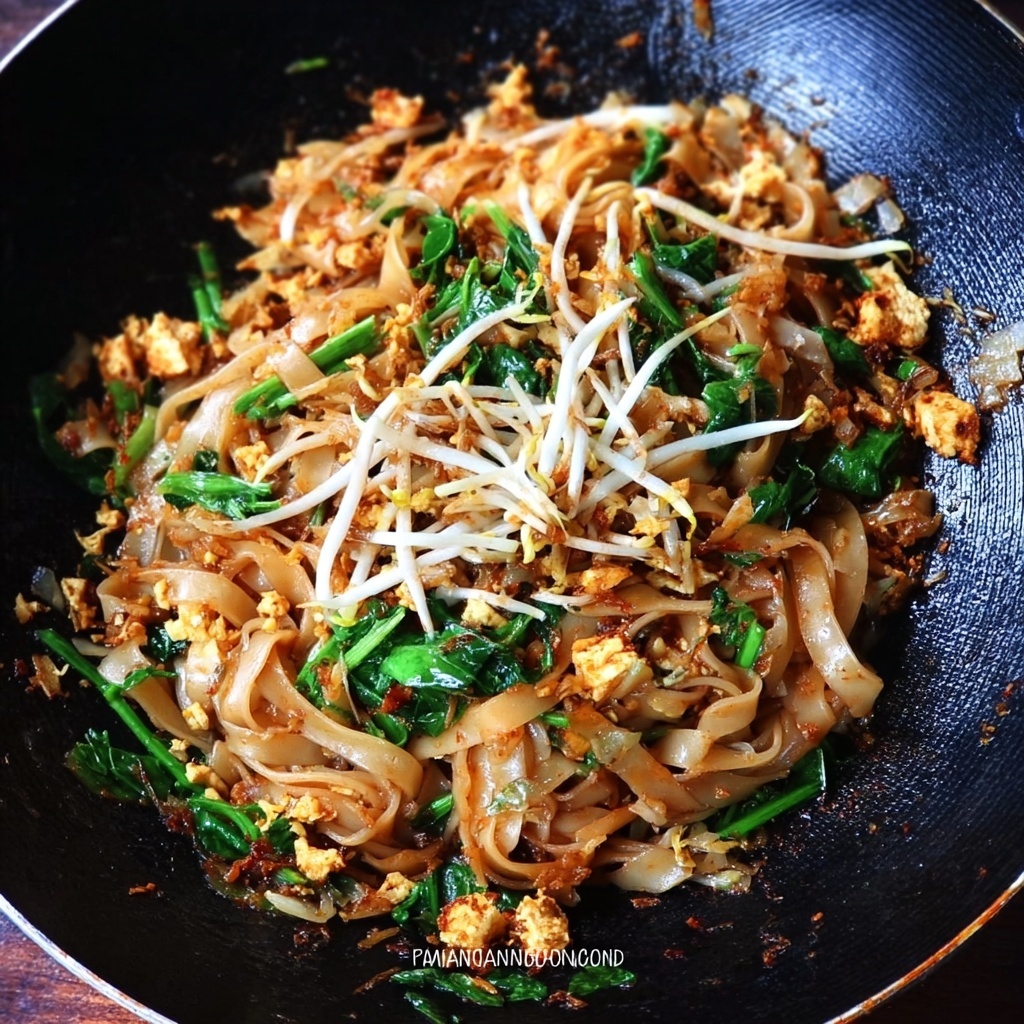
If you have been searching the entire internet trying to find the absolute best Pad Thai to make at home, your search ends here with Das Beste Pad Thai Rezept Recipe. This incredible take on the beloved Thai street food highlights the perfect balance of tangy tamarind, sweet brown sugar, savory fish sauce, and a touch of heat that will dance on your taste buds. The dish is packed with fresh ingredients like shrimp, crunchy peanuts, and crunchy bean sprouts, served atop tender yet firm rice noodles. It’s a harmonious symphony of flavors and textures that will have you craving every bite. Get ready to fall in love with this authentic recipe that’s both easy to prepare and irresistibly delicious!
Ingredients You’ll Need
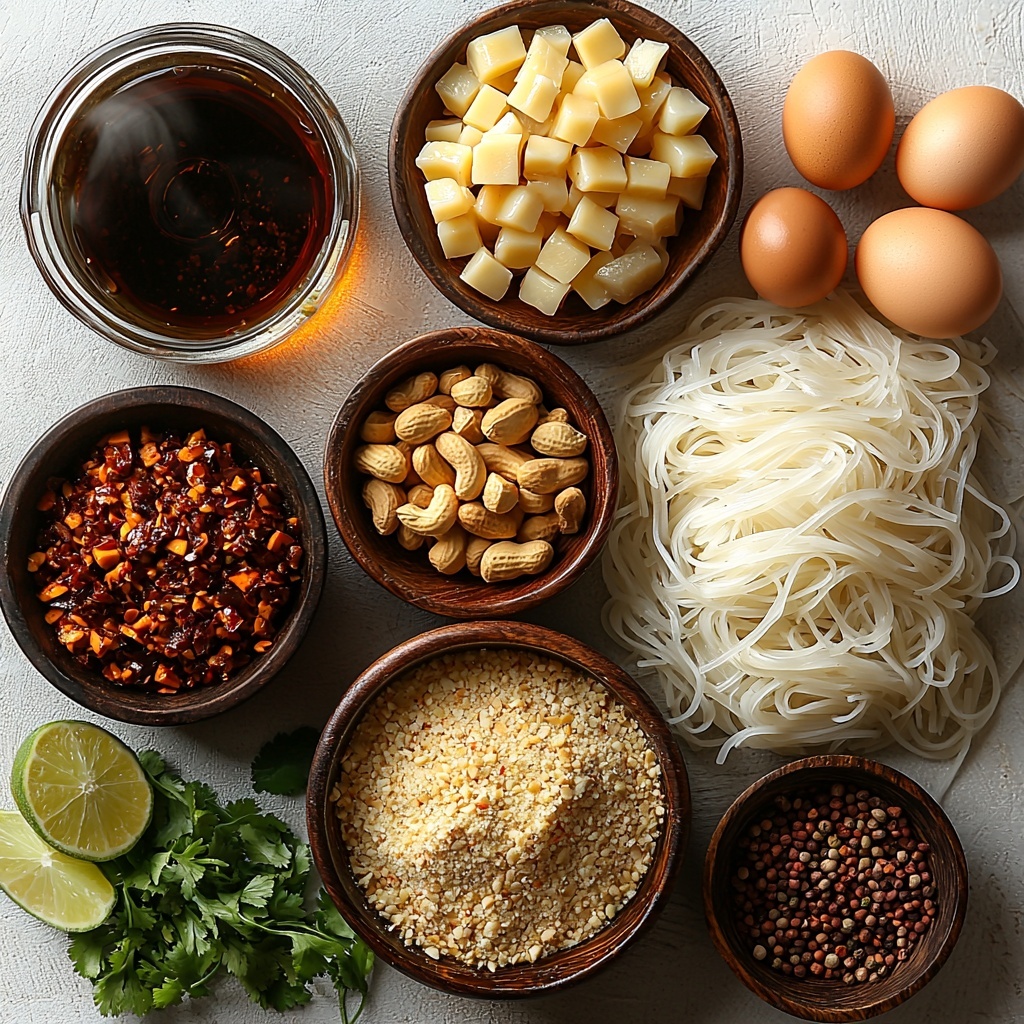
Gathering the right ingredients is key to creating the magic of Pad Thai. Each element brings its own unique flair, from the depth of tamarind paste to the satisfying crunch of peanuts and sprouts. This recipe is a perfect mix of simple essentials that transform into a spectacular meal.
- Tamarinden Paste: Provides the signature tangy sourness that defines Pad Thai’s flavor.
- Brauner Zucker (brown sugar): Balances the sourness with a pleasant sweetness.
- Heißes Wasser (hot water): Used to dissolve the tamarind paste and sugar to make the sauce smooth.
- Fischsauce (fish sauce): Adds umami richness crucial for authenticity.
- Mildes Chili-Pulver (mild chili powder): Optional, but adds a gentle spicy kick.
- Reisbandnudeln für Pad Thai (rice noodles): The chewy foundation that soaks up all the amazing sauce.
- Öl (oil): Coconut oil is perfect for its subtle aroma and high smoke point.
- Rinderhack (ground beef), Schweine or Geflügel or Tofu: Offers protein and a satisfying texture.
- Schalotte (shallot): Finely diced to provide mild onion sweetness.
- Knoblauchzehen (garlic cloves): Adds fragrant pungency.
- Garnelenpaste (shrimp paste): A key ingredient that imparts deep seafood flavor.
- Geschälte Krabben oder Shrimps (peeled shrimp): Brings freshness and juicy bites.
- Unsere Pad Thai Sauce (Pad Thai sauce): Half of the homemade sauce you’ll prepare to coat the noodles perfectly.
- Verquirltes Ei (beaten egg): Introduces a silky texture and extra richness.
- Gehackte Erdnüsse (chopped peanuts): Adds crunch and nutty flavor.
- Bohnensprossen (bean sprouts): For freshness and crispness.
- Eingelegter Rettich (pickled radish): Offers a subtle tang and texture contrast.
- Weißer Pfeffer (white pepper): For a mild heat that complements other spices.
- Frühlingszwiebel (spring onions): Thinly sliced for color and mild onion flavor.
- Limetten-Viertel (lime wedges): Essential for serving to brighten every bite.
- Zucker, Fisch- oder Soja-Sauce, geröstete Erdnüsse, Chili-Pulver (to serve): Optional extras to customize each plate.
How to Make Das Beste Pad Thai Rezept Recipe
Step 1: Prepare the Signature Pad Thai Sauce
Start by dissolving the tamarind paste and brown sugar in hot water, stirring until smooth. Then add the fish sauce, chili powder if you like the heat, and mix well. This homemade sauce is the heart of the dish, so taste it carefully. If it’s too sweet, add more tamarind paste and fish sauce. If it’s too sour, balance it with a bit more sugar. This personalized sauce ensures your Das Beste Pad Thai Rezept Recipe has that perfect harmony.
Step 2: Soften the Rice Noodles
Place the rice noodles in a bowl with hot water and let them soak for 5 to 10 minutes until they become pliable but still maintain a slight firmness. Over-soaking can make them mushy, so keep an eye on the texture. These noodles are the perfect canvas for the sauce and toppings that come later.
Step 3: Sauté the Aromatics and Protein
Heat up your wok or large frying pan to high heat until it’s smoking hot. Add the oil, then toss in the finely chopped garlic, shallots, and your choice of ground meat or tofu. Stir-fry these for about a minute so they release their aromas. Next, add the shrimp paste and quickly mix it in until it dissolves slightly, releasing that deep, savory aroma that’s signature to authentic Pad Thai.
Step 4: Cook the Shrimp and Pickled Radish
Add the peeled shrimp and pickled radish to the wok. Let them cook for about a minute until the shrimp turn pink and start to develop a little color. The radish lends a slight tang and crunch that enhances the dish’s complexity. This combination boosts both flavor and texture, essential for the perfect Pad Thai.
Step 5: Add Bean Sprouts for Texture
If you enjoy your bean sprouts a little softer, add some now and stir them in briefly. Otherwise, you can wait and add them later for a fresh crunch. This step lets you customize the texture according to your preference while preserving the lively contrasts in the dish.
Step 6: Introduce Noodles and Pad Thai Sauce
Toss the soaked noodles into the wok along with about half of the prepared Pad Thai sauce. Stir continuously to coat every strand with flavor and to avoid sticking. If the noodles feel tough, splash in a bit more water. Push noodles to one side, add a bit of oil, and pour in the beaten egg. Let it cook while gently stirring for about 10 seconds until it just sets. Then combine everything back in the center.
Step 7: Finish with Sauce, Peanuts, and Scallions
Pour in the remaining Pad Thai sauce, followed by the crunchy peanuts, fresh bean sprouts, and white pepper. Give it one last toss to bring all the elements together. Finally, mix in the sliced spring onions right before serving so they stay vibrant and fragrant. When your shrimp are perfectly cooked and everything smells divine, it’s time to serve your masterpiece.
How to Serve Das Beste Pad Thai Rezept Recipe
Garnishes
A classic Pad Thai isn’t complete without its vibrant garnishes. Serve with lime wedges to squeeze over just before eating, adding a bright zing that wakes up every flavor. Scatter roasted peanuts and a sprinkle of chili powder for extra crunch and heat. Some like a small dish of sugar, fish sauce, or soy sauce alongside to tailor the balance bite by bite, creating a personal dining experience.
Side Dishes
Keep sides simple to let the Das Beste Pad Thai Rezept Recipe shine. A crisp Asian cucumber salad or a light papaya salad pairs beautifully for freshness and contrast. You could also offer some steamed or stir-fried greens, like bok choy or gai lan, to complete a vibrant, colorful meal that feels balanced and satisfying.
Creative Ways to Present
For a fun twist, serve your Pad Thai in edible banana leaf bowls or on a bed of fresh lettuce cups. Garnish with edible flowers for a stunning presentation when entertaining. You can also pack it in individual small bowls topped with a quail egg for unique flair. The beauty of this recipe is that it’s just as stunning to share family-style or plated elegantly.
Make Ahead and Storage
Storing Leftovers
Leftover Pad Thai keeps beautifully in an airtight container in the fridge for up to 2 days. To maintain the best texture, it’s best to store the noodles separately from garnishes like peanuts and bean sprouts, adding them fresh when reheating.
Freezing
Freezing Pad Thai is possible but not ideal due to the delicate texture of the noodles and fresh ingredients. If you must freeze, cool completely, pack tightly in a freezer-safe container, and use within 1 month. Thaw overnight in the fridge before reheating gently.
Reheating
To reheat, warm the Pad Thai in a skillet over medium heat, adding a splash of water or oil to revive the noodles’ softness and prevent drying. Stir continuously until heated through. Avoid microwaving if possible to keep that lovely chewiness intact.
FAQs
Can I make Das Beste Pad Thai Rezept Recipe vegetarian?
Absolutely! Simply replace the shrimp and meat with tofu and use vegetarian fish sauce or soy sauce alternatives to keep the flavor depth without animal products. Load it up with extra veggies and nuts for a satisfying meal.
What can I use if I can’t find tamarind paste?
Tamarind paste is key to the authentic tang of Pad Thai, but if you can’t find it, try substituting with a mixture of lime juice and a touch of brown sugar. The flavor won’t be exact, but it provides a similar balance of sour and sweet.
How spicy is this Pad Thai recipe?
This recipe is mildly spicy thanks to optional mild chili powder. You can easily adjust the heat level to your taste by adding more chili or serving extra chili powder on the side for everyone to customize.
Can I prepare the sauce in advance?
Yes! The Pad Thai sauce can be made ahead and stored in the fridge for up to a week. This saves time on cooking day and helps the flavors meld beautifully.
What type of noodles are best for Pad Thai?
The traditional choice is flat rice noodles specifically labeled for Pad Thai, usually about 1/4 inch wide. They absorb sauces well and maintain a perfect chewy texture after soaking and cooking.
Final Thoughts
There’s nothing quite like the feeling of mastering your own restaurant-quality Pad Thai at home, and with Das Beste Pad Thai Rezept Recipe, that dream is effortlessly within reach. This recipe not only delivers authentic flavor but also invites your personal touch, whether you like it mild or with a punch of heat. So grab your wok, gather your ingredients, and dive into a cooking adventure full of vibrant flavors and heartwarming richness. Your taste buds will thank you!
Print
Das Beste Pad Thai Rezept Recipe
- Prep Time: 20 Minuten
- Cook Time: 5 Minuten
- Total Time: 25 Minuten
- Yield: 2-3 Personen
- Category: Hauptgericht
- Method: Stovetop
- Cuisine: Thailändisch
Description
Dieses authentische Pad Thai Rezept liefert eine perfekte Balance aus süßen, sauren und würzigen Aromen kombiniert mit zarten Reisnudeln, saftigen Krabben und knackigen Erdnüssen. Die selbstgemachte Pad Thai Sauce aus Tamarindenpaste, braunem Zucker und Fischsauce sorgt für ein vollmundiges Geschmackserlebnis. Ideal für alle, die thailändische Küche lieben und eine schnelle, köstliche Mahlzeit zubereiten möchten.
Ingredients
Sauce
- 2 EL Tamarinden Paste
- 5 EL brauner Zucker
- 120 ml heißes Wasser
- 6 EL Fischsauce
- 2–3 TL mildes Chili-Pulver (optional)
Hauptzutaten
- 120 g Reisbandnudeln für Pad Thai
- 2–3 EL Öl (Kokosöl ist super)
- 60–80 g Rinderhack (Schwein, Geflügel oder Tofu als Alternative, fein gehackt)
- 1 Schalotte (fein gewürfelt)
- 2 Knoblauchzehen (gehackt)
- 1 TL Garnelenpaste
- 200 g kleine geschälte Krabben oder Shrimps
- 3/4 Tasse der vorbereiteten Pad Thai Sauce (ca. 180 ml)
- 1 verquirltes Ei
- 2 EL gehackte Erdnüsse
- 1 Tasse Bohnensprossen (oder Sojasprossen)
- 2 TL eingelegter Rettich
- 1/2 TL weißer Pfeffer
- 2 Stangen Frühlingszwiebel (in Scheibchen, alternativ Knoblauchschnittlauch)
Zum Servieren
- Limetten-Viertel
- Zucker
- Fischsauce oder Sojasauce
- Geröstete Erdnüsse
- Chili-Pulver
Instructions
- Sauce zubereiten: Löst die Tamarinden-Paste und den braunen Zucker im heißen Wasser unter Rühren auf. Gebt anschließend die Fischsauce und das Chili-Pulver hinzu. Abschmecken und nach Geschmack mehr Tamarinden-Paste oder Zucker für die perfekte Balance von sauer und süß hinzufügen.
- Nudeln einweichen: Weicht die Reisbandnudeln für ca. 5 bis 10 Minuten in heißem Wasser ein, bis sie biegsam, aber noch bissfest sind. Abgießen und beiseite stellen.
- Anbraten von Fleisch und Basis: Erhitzt den Wok oder eine große Pfanne auf hoher Stufe. Gebt das Öl hinein, verteilt es kurz und fügt dann Knoblauch, Schalotten und das Rinderhack hinzu. Eine Minute anrösten. Danach die Garnelenpaste hinzufügen und kurz umrühren, bis sie sich auflöst.
- Krabben und Rettich hinzufügen: Gebt die Krabben oder Shrimps und den eingelegten Rettich dazu und rösten alles zusammen etwa eine Minute, bis die Krabben Farbe annehmen und fast gar sind.
- Bohnensprossen optional: Wer weichere Bohnensprossen bevorzugt, kann jetzt eine Portion hinzugeben und kurz mitrösten. Für knackfrische Nutzung überspringen.
- Nudeln und erste Sauce hinzufügen: Fügt die eingeweichten Reisnudeln und etwa die Hälfte der Pad Thai Sauce in den Wok. Gut umrühren und die Nudeln in Bewegung halten. Falls sie zu fest sind, etwas Wasser hinzufügen. Nudeln an den Rand schieben, etwas Öl zugeben und das verquirlte Ei hineingeben. Durch Schwenken und Rühren das Ei in ca. 10 Sekunden stocken lassen, dann alles zusammenrühren.
- Vervollständigen und servieren: Den restlichen Pad Thai Sauce, die restlichen Bohnensprossen, gehackte Erdnüsse und weißen Pfeffer hinzufügen und kurz durchrühren. Frühlingszwiebeln unterheben und sofort servieren. Limettenviertel und weitere Beilagen wie Zucker, Chili-Pulver und geröstete Erdnüsse zum individuellen Abschmecken dazu reichen.
Notes
- Die Chili-Pulvermenge kann je nach gewünschter Schärfe angepasst werden oder ganz weggelassen werden.
- Tofu eignet sich hervorragend als vegetarische Alternative zum Hackfleisch.
- Die Einweichzeit der Nudeln kann je nach Dicke variieren, sie sollten bissfest bleiben, da sie beim Braten weitergaren.
- Das Anbraten im Wok auf hoher Temperatur sorgt für das typische Aroma und die richtige Textur.
- Frische Limetten und geröstete Erdnüsse runden das Geschmackserlebnis perfekt ab.