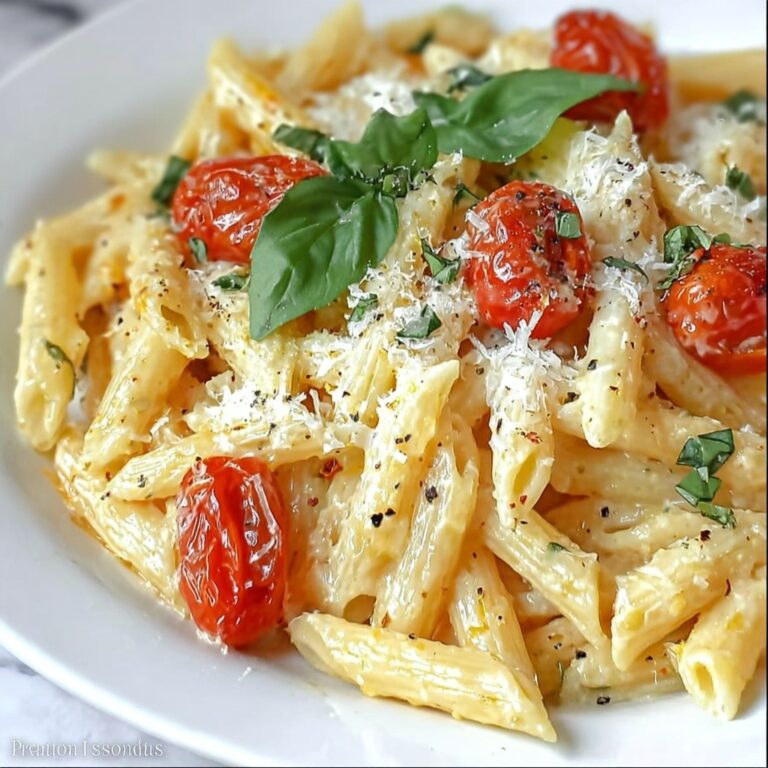
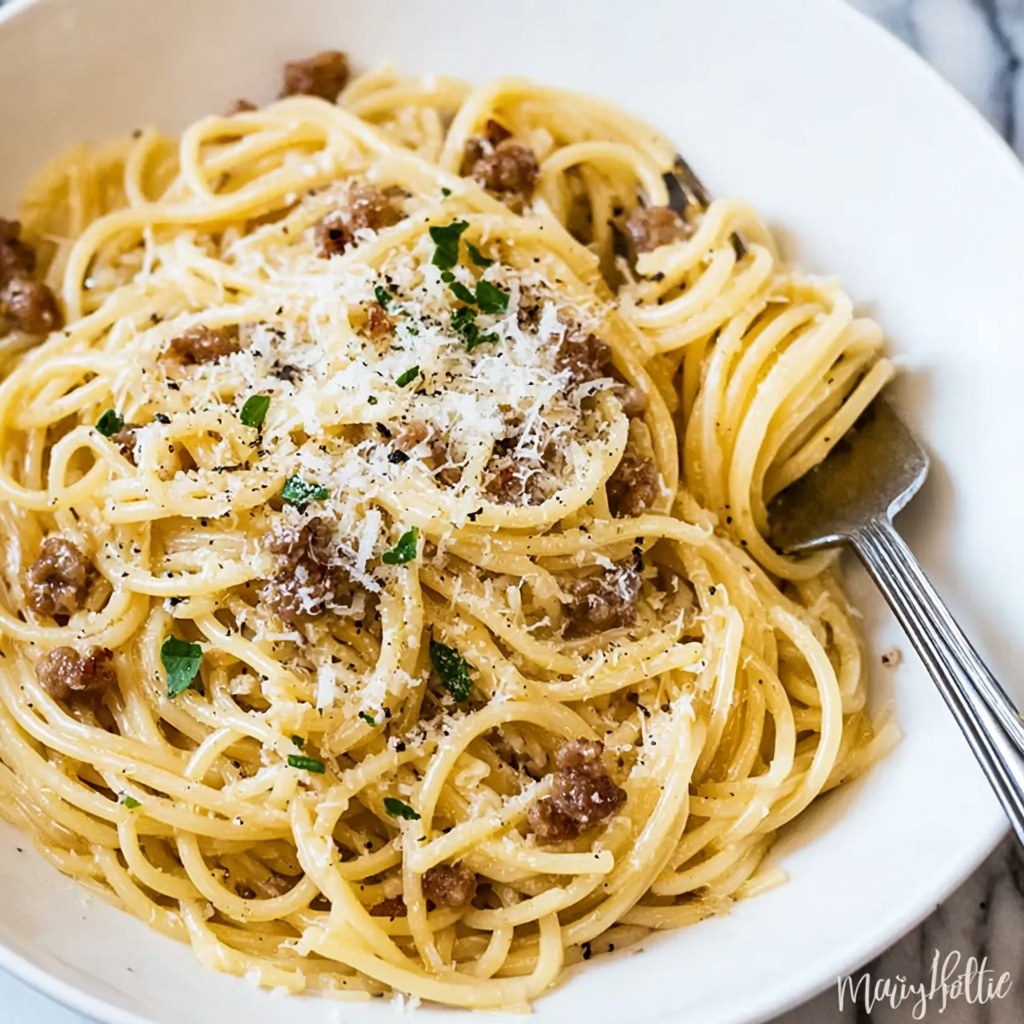
If you have a craving for a rich and satisfying pasta dish that’s effortless yet impressive, the Classic Carbonara Pasta Recipe is your go-to. This Italian favorite combines simple, high-quality ingredients like crispy pancetta, silky eggs, and sharp Parmesan cheese to create a lush, creamy sauce that clings beautifully to every strand of spaghetti. It’s comfort food at its finest, perfect for a cozy night in or dinner with friends who will surely ask for your secret.
Ingredients You’ll Need
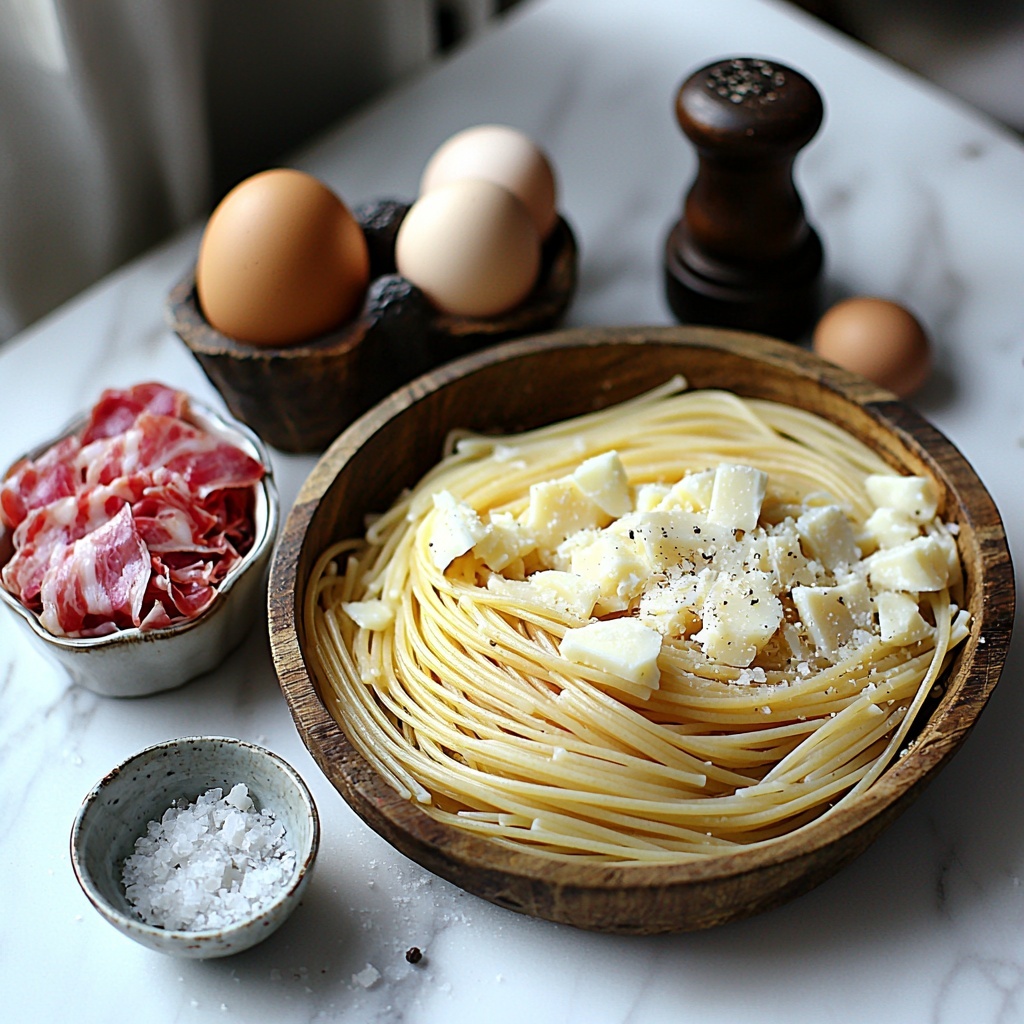
Every ingredient in this Classic Carbonara Pasta Recipe plays an essential role, from the salty pancetta to the velvety Parmesan, creating the perfect balance of flavor, texture, and aroma. Here’s what you’ll want to gather before you start whipping up this Italian delight:
- 200g spaghetti: The traditional pasta choice that soaks up the sauce and offers a delightful bite.
- 100g pancetta or guanciale, diced: Adds the crispy, salty, and savory punch that defines carbonara’s character.
- 2 large eggs: These provide the creamy and silky base for the luscious sauce without any cream.
- 50g Parmesan cheese, grated: Sharp and nutty, it melts into the eggs to create incredible depth and richness.
- 2 cloves garlic, minced: Infuses a subtle aroma that complements the meat and cheese perfectly.
- Salt, to taste: Enhances all the flavors without overpowering the delicate sauce.
- Freshly cracked black pepper, to taste: Offers a fragrant spiciness crucial for the authentic carbonara finish.
How to Make Classic Carbonara Pasta Recipe
Step 1: Cook the Pasta
Begin by boiling a large pot of salted water and cooking the spaghetti until it reaches that perfect al dente texture—firm yet tender. Save a cup of the starchy pasta water before draining; this will be your secret weapon to getting the sauce just right.
Step 2: Crisp the Pancetta
While the pasta cooks, heat a skillet over medium heat and sauté your diced pancetta for about 4 to 5 minutes until it’s wonderfully crispy and golden. This step develops the smoky, savory flavors that make carbonara truly unforgettable.
Step 3: Prepare the Egg and Cheese Mixture
In a small bowl, whisk together the eggs and grated Parmesan until the mixture is smooth and creamy. Don’t forget to add plenty of freshly cracked black pepper here—it’s vital for authentic flavor.
Step 4: Combine Pasta and Pancetta Off the Heat
Remove the skillet from the heat and add the hot, drained spaghetti into it, tossing with the crispy pancetta. Then, quickly pour in your egg and cheese mixture, stirring vigorously to coat the pasta without scrambling the eggs. This technique creates that signature silky sauce.
Step 5: Adjust Creaminess with Pasta Water
If the sauce seems a bit thick, slowly add the reserved pasta water a little at a time. The starchiness in the water will loosen the sauce, making it perfectly creamy and smooth.
Step 6: Serve Immediately
Finish off your Classic Carbonara Pasta Recipe by plating up and sprinkling extra Parmesan and black pepper on top for that final burst of flavor. This dish is best enjoyed fresh and warm!
How to Serve Classic Carbonara Pasta Recipe
Garnishes
Simple garnishes make all the difference here. A sprinkle of freshly grated Parmesan adds extra cheese goodness, while a few more twists of black pepper elevate the dish with a peppery kick. If you’re feeling adventurous, a light dusting of finely chopped flat-leaf parsley can add a subtle fresh note and a pop of color.
Side Dishes
To complement the richness of the Classic Carbonara Pasta Recipe, consider serving it alongside a crisp green salad dressed with lemon vinaigrette to brighten the palate. Garlic bread or a crusty baguette works beautifully to mop up any remaining sauce, turning the meal into a hearty and satisfying experience.
Creative Ways to Present
For a charming twist, serve the carbonara in small individual bowls stacked with extra cheese and a crack of pepper on top for a restaurant-style appeal. You can also place a perfectly poached egg on top for added luxury, which, when broken, melds with the sauce for an irresistible finish.
Make Ahead and Storage
Storing Leftovers
If you have leftovers, store them in an airtight container in the refrigerator and enjoy within 3 to 4 days. Carbonara’s creamy sauce is best eaten fresh, so leftovers might be slightly less silky but still delicious.
Freezing
Freezing carbonara isn’t recommended due to the egg-based sauce, which can separate and become grainy once thawed. It’s best to prepare a fresh batch, but if necessary, freeze only the cooked pasta without sauce and combine fresh ingredients when reheating.
Reheating
Reheat leftovers gently on low heat in a skillet or microwave, adding a splash of water or milk to help loosen the sauce and prevent it from drying out. Stir frequently to keep the sauce creamy and avoid scrambling the eggs.
FAQs
Can I use bacon instead of pancetta or guanciale?
Absolutely! While traditional carbonara calls for pancetta or guanciale, thick-cut bacon is a convenient substitute that still adds great smoky flavor, just be sure to cook it until crispy.
Do I really need to add pasta water to the sauce?
Yes, the reserved pasta water contains starch that helps emulsify and thicken the sauce, making it wonderfully creamy without adding cream.
Is it safe to use raw eggs in this recipe?
The gentle heat from the pasta and pancetta, combined with quick tossing off the stove, cooks the eggs enough to make the sauce safe and silky without turning it into scrambled eggs.
Can I make this recipe without garlic?
You can, although garlic adds a subtle aromatics layer that enhances flavor. If you choose to omit it, consider adding a pinch of onion powder or some fresh herbs for complexity.
What’s the best cheese to use for carbonara?
Parmigiano-Reggiano is classic for its nutty, salty flavor. Pecorino Romano is also traditional and offers a sharper, tangier profile. You can even mix the two for a balanced taste.
Final Thoughts
There’s something truly magical about the Classic Carbonara Pasta Recipe that makes it a timeless favorite in Italian kitchens worldwide. Its luxurious creaminess, combined with crispy pancetta and sharp cheese, creates a comforting yet elegant dish that’s surprisingly simple to make. I encourage you to try this recipe soon—it might just become one of your all-time go-to dinners to impress and satisfy every single time.
Print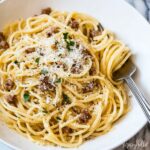
Classic Carbonara Pasta Recipe
- Prep Time: 5 minutes
- Cook Time: 20 minutes
- Total Time: 25 minutes
- Yield: 2 servings
- Category: Main Course
- Method: Stovetop
- Cuisine: Italian
Description
A classic Italian Carbonara Pasta recipe featuring al dente spaghetti tossed with crispy pancetta, a creamy egg and Parmesan sauce, and seasoned with garlic, salt, and freshly cracked black pepper. Ready in just 25 minutes, this dish is a rich and comforting meal perfect for a quick yet indulgent dinner.
Ingredients
Pasta
- 200g spaghetti
Sauce and Toppings
- 2 large eggs
- 50g Parmesan cheese, grated
- 2 cloves garlic, minced
- Salt, to taste
- Freshly cracked black pepper, to taste
Meat
- 100g pancetta or guanciale, diced
Instructions
- Cook Pasta: Bring a large pot of salted water to a boil and cook the spaghetti until al dente. Before draining, reserve 1 cup of the pasta cooking water to help adjust the sauce consistency later.
- Sauté Pancetta: In a skillet over medium heat, cook the diced pancetta until it becomes crispy and browned, about 4-5 minutes. This will render the fat that flavors the dish.
- Prepare Egg Mixture: In a bowl, whisk together the eggs and grated Parmesan cheese until smooth. Generously add freshly cracked black pepper, which adds the classic peppery kick to Carbonara.
- Combine Pasta and Pancetta: Remove the skillet from heat to prevent the eggs from scrambling. Add the hot drained pasta to the pancetta in the skillet and start tossing quickly.
- Add Egg Sauce: Immediately pour the egg and Parmesan mixture into the pasta and continue tossing vigorously. The residual heat from the pasta cooks the eggs gently, creating a creamy, silky sauce without scrambling.
- Adjust Sauce Consistency: Add reserved pasta water a little at a time as needed to achieve a smooth and creamy sauce that coats the pasta evenly.
- Serve: Plate the Carbonara immediately. Garnish with extra Parmesan cheese and freshly cracked black pepper for added flavor and presentation.
Notes
- Use fresh eggs for best flavor and texture in the sauce.
- Guanciale can be used instead of pancetta for a more traditional taste.
- Do not add cream; authentic Carbonara relies on eggs and cheese for creaminess.
- Work quickly when mixing eggs with hot pasta to avoid scrambled eggs.
- Reserve some pasta water to adjust sauce consistency as needed.