
If you’ve ever wished for a sauce that’s bursting with bright, tangy zest and unexpectedly savory notes, then you’re going to love this Lemon Caper Sauce Recipe. It’s a dazzling addition to almost anything from fish to chicken, giving each bite a lively pop of flavor and a silky texture that feels both indulgent and fresh. The magic lies in the harmonious balance of tangy lemon, briny capers, aromatic herbs, and a hint of creamy butter, all coming together to create a sauce that’s as versatile as it is unforgettable. This is the kind of recipe you’ll want to keep in your back pocket for whenever you crave something simple yet extraordinary.
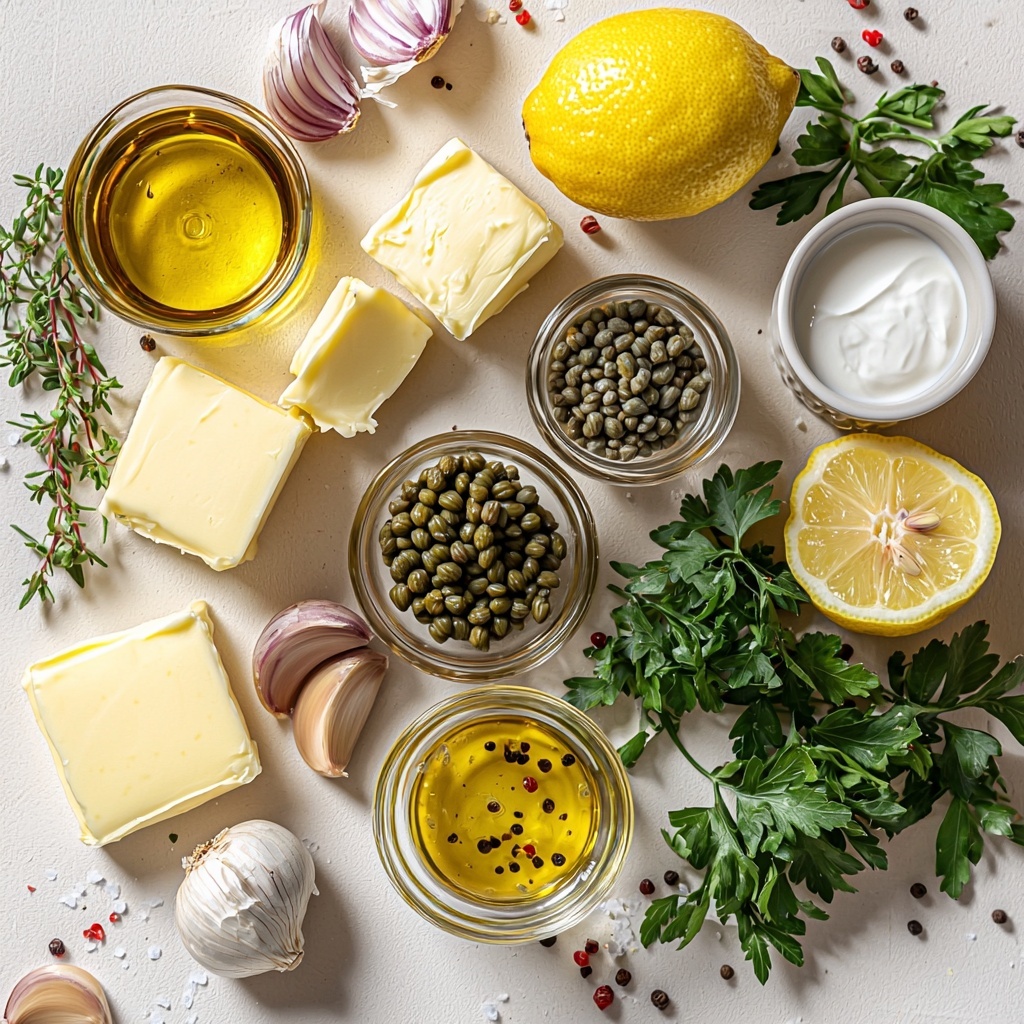
Ingredients You’ll Need
Getting great flavor starts with great ingredients, and this Lemon Caper Sauce Recipe is proof. Each component plays an essential role—whether it’s the creaminess from butter and optional heavy cream, the bright acidity from fresh lemon juice and zest, or the punch of saltiness from capers. The combination transforms straightforward staples into a sauce that’s deeply comforting yet refreshingly bold.
- Unsalted butter: Using unsalted butter lets you control the saltiness while adding luscious richness to the sauce.
- Extra-virgin olive oil: Provides a fruity, smooth base that gently carries the other flavors.
- Garlic: Minced finely, it infuses warmth without overpowering the brightness.
- Shallot: Adds subtle sweetness and complexity to round out the aromatics.
- Dry white wine or broth: Builds depth by deglazing the pan and layering flavor.
- Chicken or vegetable broth: Keeps the sauce savory and balances the acidity.
- Fresh lemon juice: The star player that gives the sauce its signature zing.
- Lemon zest: Amplifies the brightness with fragrant citrus oils.
- Capers: Briny little bursts that contrast the citrus perfectly.
- Sea salt and black pepper: Essential seasoning to enhance all the tastes without overpowering.
- Red pepper flakes (optional): Adds a subtle spicy kick if you want to up the excitement.
- Heavy cream (optional): For a creamier, silkier sauce variation.
- Fresh parsley: A fresh herbal finish that brightens the sauce beautifully.
- Thyme (optional): Brings an earthy, fragrant note that deepens the complexity.
- Dijon mustard (optional): Adds a mild tang and extra depth.
- Lemon wedges (optional): Perfect for serving for an extra burst of citrus alongside.
How to Make Lemon Caper Sauce Recipe
Step 1: Prepare Aromatics
Begin by mincing the garlic and shallot as finely as you can; the goal here is for them to melt seamlessly into the sauce, giving it a velvety texture without any harsh chunks. Don’t forget to rinse and dry your capers well—this cuts down the excess briny bite, making their flavor pop just right. Zest one lemon and set aside both the zest and the freshly squeezed lemon juice—it’s these citrus elements that breathe life into your sauce. Lastly, chop your fresh parsley and pick the thyme leaves if you’re using them—fresh herbs mean fresh flavor!
Step 2: Create the Flavor Base
Place a medium skillet or saucepan over medium heat and add 2 tablespoons of butter alongside the olive oil. Watch for the butter to melt and start foaming gently, but don’t let it brown—that delicate balance of heat is what sets the stage for the rest of the ingredients to shine together.
Step 3: Sauté Shallot and Garlic
Add the minced shallot first, sautéing for 2 to 3 minutes until they turn soft and translucent. This slow cooking draws out their sweetness. Next, add the garlic and stir constantly for about 30 to 60 seconds until fragrant. Be vigilant here; the moment garlic browns, it brings bitterness, which we want to avoid.
Step 4: Deglaze with Wine
Carefully pour in the white wine, or if you prefer, additional broth. Use your spoon to scrape up any delicious browned bits stuck to the pan—that’s where rich flavor lives! Increase the heat slightly and let your mixture simmer gently for a few minutes until the wine reduces by half and mellows. This step is crucial to developing depth without any harsh alcoholic taste.
Step 5: Add Broth and Reduce
Pour in the chicken or vegetable broth and stir to combine. Allow the mixture to simmer softly for 3 to 5 minutes. The gentle bubbling helps concentrate the flavors and thicken the base, so your sauce won’t feel thin or watery.
Step 6: Incorporate Lemon and Capers
Turn the heat down to medium-low and stir in your fresh lemon juice and zest, followed by the capers. Let these mingle for a minute or two to blend nicely without reducing too much, as that might cause the sauce to get overly tart or salty.
Step 7: Season and Enrich
Season with salt, black pepper, and red pepper flakes if you want a faint spice. Since capers add their own salinity, start with a light hand and adjust later. If you wish to deepen the flavor, whisk in Dijon mustard until smooth. For a luscious twist, lower the heat and stir in heavy cream gently. Don’t boil it; just warm until the sauce thickens slightly and takes on a velvety finish.
Step 8: Finish with Butter
Remove the pan from direct heat or turn to very low and add the remaining 2 tablespoons of cold butter, a little at a time, while swirling or whisking constantly. This technique, known as mounting with butter, gives the sauce a glossy sheen and rich mouthfeel without breaking apart. Continue until your sauce feels silky and beautifully coated.
Step 9: Add Herbs and Adjust Final Seasoning
Stir in the chopped parsley and thyme leaves to brighten the sauce with fresh herbal notes. Take a moment to taste and tweak: add a pinch more salt if it needs depth, a splash more lemon juice if you desire extra brightness, or a touch of broth or water if it tastes too intense or thick. Ideally, the sauce should flow easily but still cling lightly to a spoon.
How to Serve Lemon Caper Sauce Recipe
Garnishes
Simple garnishes like an extra sprinkle of chopped fresh parsley or a thin slice of lemon can amplify the fresh appeal of your Lemon Caper Sauce Recipe. These little touches not only enhance the look but also refresh the palate with every bite.
Side Dishes
This versatile sauce pairs beautifully with dishes such as seared salmon, crispy chicken cutlets, or sautéed shrimp. It also works surprisingly well drizzled over roasted vegetables or tossed with pasta for a bright, flavorful meal that feels special yet effortless.
Creative Ways to Present
For an elegant presentation, drizzle the Lemon Caper Sauce Recipe over individual plated portions, letting some sauce pool artistically around your protein or veggies. For a casual gathering, serve it alongside in a small bowl with fresh lemon wedges so guests can enjoy the vibrant sauce their way. You could also use it as a dipping sauce or a finishing touch on savory tartines for a delightful appetizer.
Make Ahead and Storage
Storing Leftovers
If you happen to have leftovers of this delightful Lemon Caper Sauce Recipe, let it cool to room temperature and transfer into an airtight container. It keeps well in the fridge for up to 3 days, making it a wonderful option to prepare ahead for a weeknight meal.
Freezing
While this sauce tastes best fresh, you can freeze it if needed. Use a freezer-safe container, leaving some space for expansion, and store it for up to a month. When ready, thaw slowly in the fridge overnight for the best texture.
Reheating
Reheat gently over low heat, stirring constantly to bring the sauce back to its smooth consistency. If the sauce contains cream, avoid boiling to prevent separation. Adding a splash of broth or a small knob of cold butter off heat can help revive the sauce’s silky texture if it looks slightly broken.
FAQs
Can I make this Lemon Caper Sauce Recipe without wine?
Absolutely! You can swap the dry white wine with extra low-sodium chicken or vegetable broth. The sauce will still have plenty of flavor and remain just as delightful.
What dishes does this sauce pair best with?
This sauce is incredibly versatile, complementing seafood like salmon or shrimp, chicken, roasted vegetables, and even pasta. Its bright and tangy notes lift simple dishes beautifully.
Can I omit the heavy cream?
Yes, the heavy cream is optional and only adds a slight richness. The sauce is fantastic without it, staying light and zesty with just butter and broth.
How salty will the sauce be if I add all the capers?
Capers are naturally salty, so it’s important to rinse them before using and to season the sauce lightly with additional salt at first. Taste as you go and adjust to find the perfect balance.
What’s the secret to getting this sauce silky and glossy?
The trick is “mounting” the sauce with cold butter at the end. Adding butter off heat and whisking it in slowly emulsifies the sauce, making it rich, glossy, and smooth without separating.
Final Thoughts
There’s just something so joyful about a sauce that brightens every bite with effortless elegance. The Lemon Caper Sauce Recipe is my go-to when I want to turn simple ingredients into a dish that feels vibrant and luxurious. Give it a try—you may find it becomes your favorite to drizzle, dip, and enjoy time and time again.
Print
Lemon Caper Sauce Recipe
- Prep Time: 0h 10m
- Cook Time: 0h 15m
- Total Time: 0h 25m
- Yield: About 1 cup sauce, enough for 4 servings
- Category: Sauce
- Method: Stovetop
- Cuisine: Mediterranean
- Diet: Low Salt
Description
This vibrant Lemon Caper Sauce is a zesty, buttery accompaniment perfect for enhancing seafood, chicken, or vegetables. Made with fresh lemon juice and zest, capers, garlic, white wine, and herbs, this sauce balances tangy, briny, and savory flavors. It can be made creamy with an optional touch of heavy cream and finished with butter for a silky texture. Quick to prepare on the stovetop, it’s ideal for brightening up any dish with a fresh, lively citrus note.
Ingredients
Sauce Base
- 4 tablespoons unsalted butter, divided
- 2 tablespoons extra-virgin olive oil
- 3 cloves garlic, finely minced
- 1 small shallot, very finely minced (about 2 tablespoons)
- 1/2 cup dry white wine (or low-sodium chicken broth as a substitute)
- 1/2 cup low-sodium chicken broth (or vegetable broth)
- 1/3 cup freshly squeezed lemon juice (about 2 large lemons)
- 1–2 teaspoons finely grated lemon zest (from 1 lemon)
- 3 tablespoons capers, drained and rinsed
- 1/4 teaspoon fine sea salt, or to taste (keep light; capers are salty)
- 1/4 teaspoon freshly ground black pepper, or to taste
- 1/4 teaspoon red pepper flakes (optional)
Optional Add-ins
- 2 tablespoons heavy cream (optional, for a slightly creamy version)
- 1 teaspoon Dijon mustard (optional, for extra depth and slight tang)
- 2 tablespoons fresh parsley, finely chopped
- 1 teaspoon fresh thyme leaves or 1/4 teaspoon dried thyme (optional)
- Lemon wedges, for serving (optional)
Instructions
- Prepare aromatics: Mince the garlic and shallot as finely as possible so they melt into the sauce.
- Rinse capers & prep lemon: Rinse capers under cold water to remove excess brine and pat dry. Zest one lemon and juice enough lemons to get about 1/3 cup lemon juice. Set aside.
- Chop herbs: Finely chop fresh parsley and pick thyme leaves if using.
- Start flavor base: In a medium skillet or saucepan, warm 2 tablespoons butter with olive oil over medium heat until butter melts and begins to foam but does not brown.
- Sauté shallot and garlic: Add minced shallot and sauté 2–3 minutes until softened and translucent. Add minced garlic and cook another 30–60 seconds until fragrant, being careful not to brown it.
- Deglaze with wine: Pour in white wine (or substitute broth), stir, scraping up any bits stuck to pan bottom. Increase heat slightly and simmer 2–3 minutes until reduced by half and alcohol smell is mellow.
- Add broth and reduce: Stir in chicken or vegetable broth and simmer gently for 3–5 minutes to reduce slightly, forming a flavorful base.
- Add lemon and capers: Reduce heat to medium-low. Stir in lemon juice, lemon zest, and capers. Simmer 1–2 minutes to blend flavors without over-reducing.
- Season and enrich: Add salt, black pepper, and red pepper flakes if desired. Stir in Dijon mustard if using. For a creamy version, reduce heat to low and whisk in heavy cream, warming gently 1–2 minutes without boiling.
- Finish with butter: Remove from direct heat or reduce to very low. Add remaining 2 tablespoons cold butter gradually, swirling or whisking constantly to mount the sauce, creating a glossy, silky texture.
- Add herbs and adjust seasoning: Stir in parsley and thyme if using. Taste sauce and adjust salt, lemon juice, or broth/water to get desired brightness and consistency—sauce should be pourable yet able to coat the back of a spoon.
- Serve: Use sauce immediately while warm. Spoon generously over seared or baked fish, chicken, shrimp, scallops, roasted vegetables, or pasta. Garnish with extra parsley or lemon slice if desired.
- Storage & reheating: Cool to room temperature, store in airtight container and refrigerate up to 3 days. Reheat gently over low heat with added broth or water, whisking constantly to avoid separation. If sauce breaks, whisk in a knob of cold butter off heat to restore texture.
Notes
- Use low-sodium broth and light salt additions because capers are naturally salty to avoid over-salting.
- For an alcohol-free version, substitute white wine with additional low-sodium chicken or vegetable broth.
- The sauce can be made creamy by adding heavy cream toward the end; omit for a sharper, lighter sauce.
- The technique of mounting with cold butter off heat creates a luscious, silky finish.
- Capers add a delicious briny punch; rinse and pat dry to control saltiness.
- Best served fresh but can be refrigerated and gently reheated; avoid boiling cream-containing sauce to prevent curdling.
- Pairs beautifully with seafood but also excellent over chicken, vegetables, or pasta.