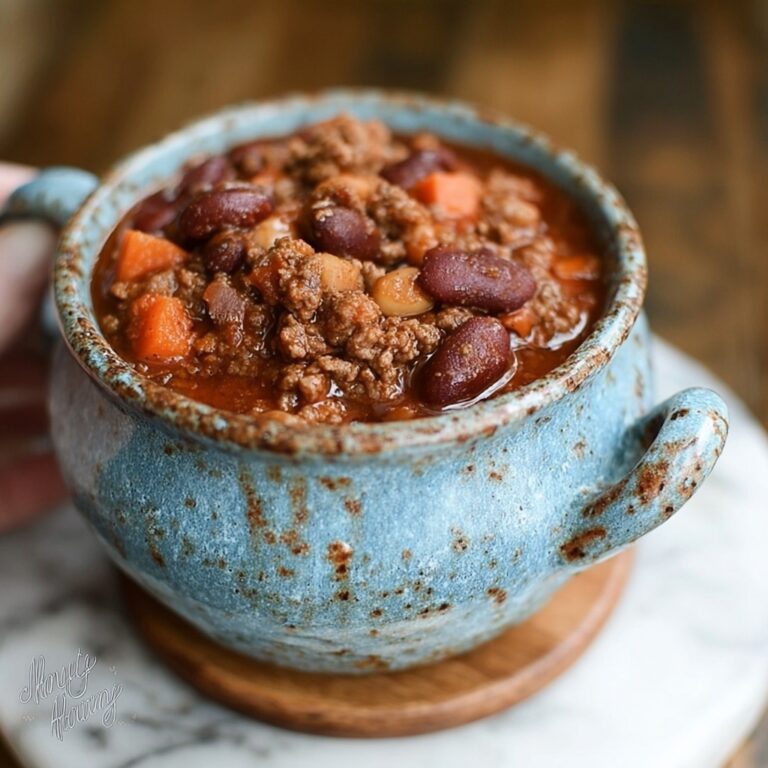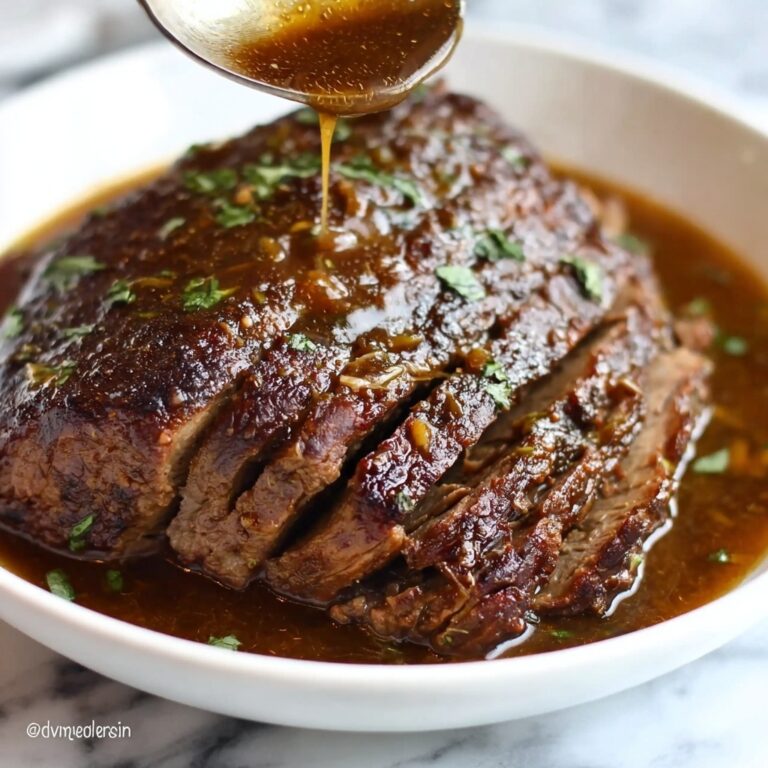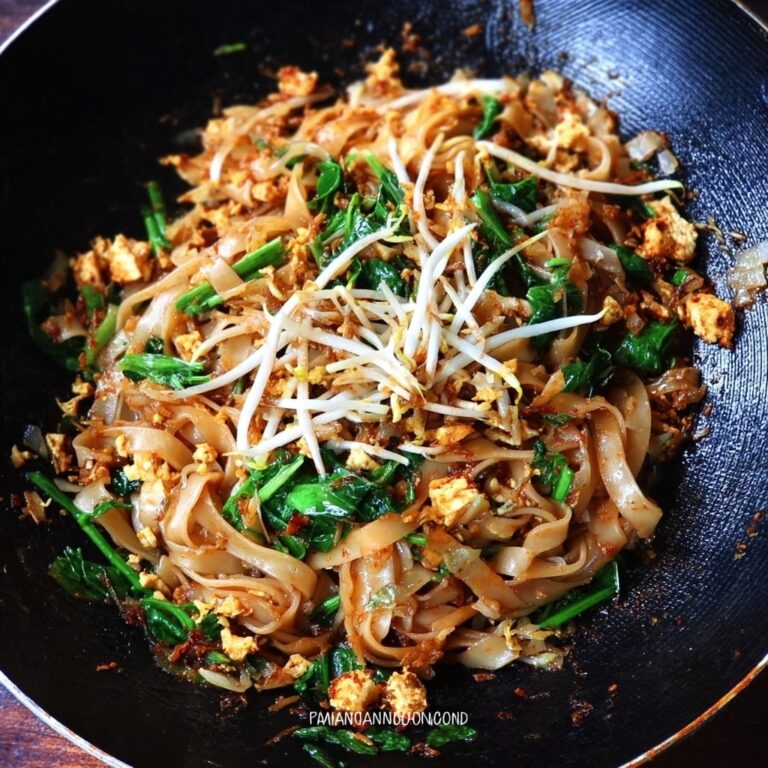
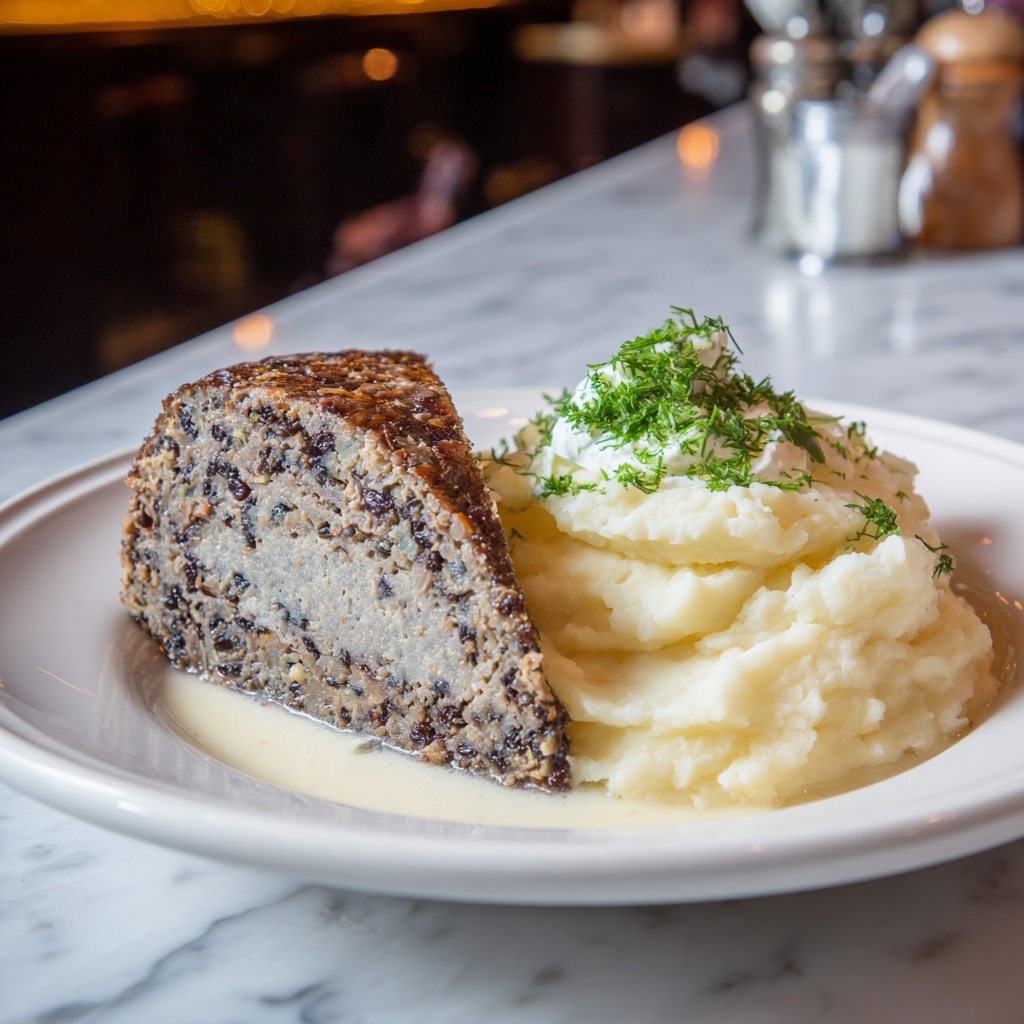
If you have ever wanted to dive into a hearty, deeply comforting Scottish meal that’s bursting with tradition and flavor, look no further than this Scottish Traditional Haggis with Neeps and Tatties Recipe. This dish brings together a rich, spiced savory pudding made from tender offal, oats, and warming spices, perfectly paired with creamy mashed turnips and potatoes. Each bite tells a story of Scotland’s culinary heritage, making it a must-try for anyone eager to explore authentic family meals that are both satisfying and steeped in culture.
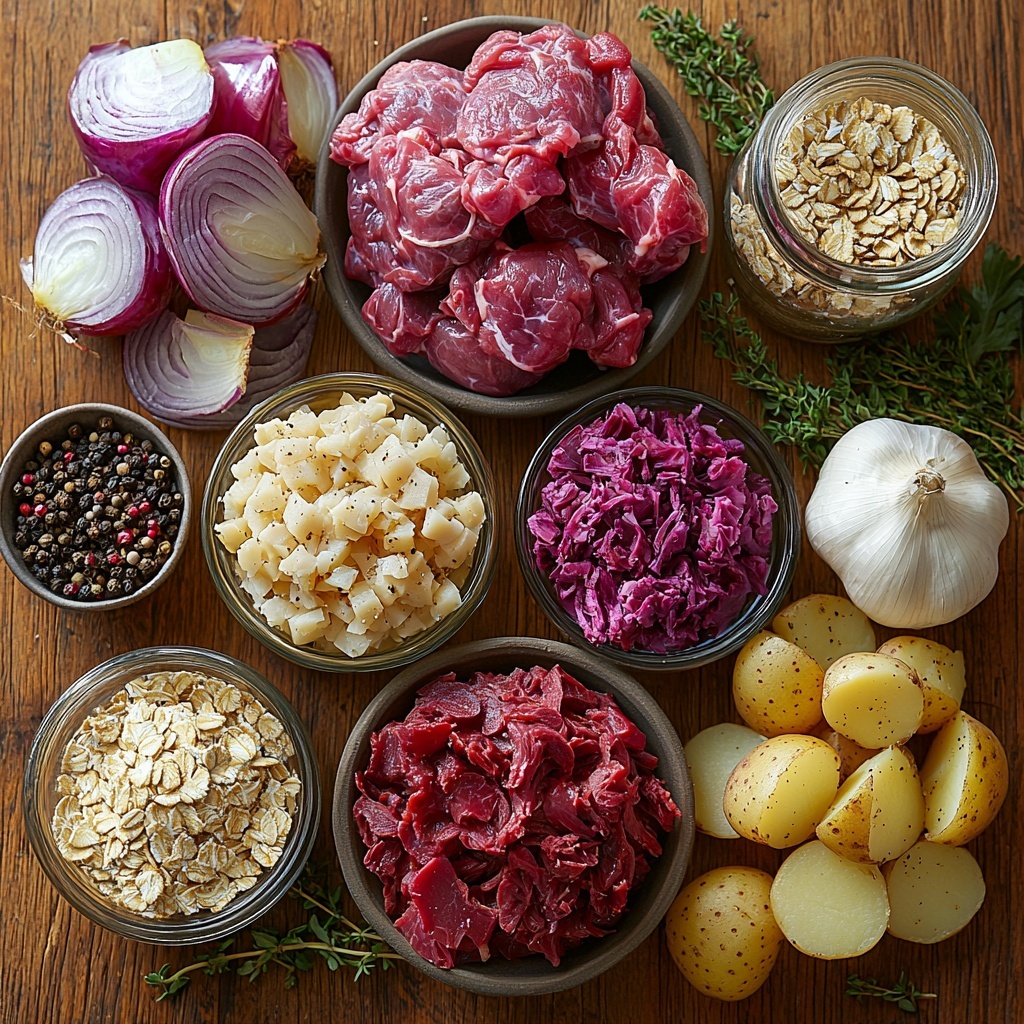
Ingredients You’ll Need
Gathering the right ingredients is key to achieving the authentic taste and perfect texture of this Scottish classic. Each element, from the meats to the simple veggies, plays an important role in bringing this traditional dish to life with unmistakable depth and warmth.
- 1.1 lbs sheep heart, liver, and lungs (or substitute with lamb or liver mince): These offal cuts give the haggis its signature richness and flavor essential to authenticity.
- 0.44 lbs finely chopped beef or lamb suet: Adds moisture and a tender texture that balances the dense meat mixture.
- 0.66 lbs lamb or beef mince (optional): Offers extra body and richness, perfect if you prefer a meatier variation.
- 0.33 lbs toasted steel-cut oats: Provides a nutty bite and acts as a traditional binder to hold the haggis together.
- 2 medium onions, finely chopped: Bring a sweet aromatic touch that enhances the savory filling.
- 1 cup beef stock: Infuses the mixture with deep, meaty flavor and ensures it stays moist.
- 1 tsp ground black pepper: Introduces gentle heat and warmth.
- 1 tsp ground coriander: Adds a subtle citrusy note that brightens the dish.
- 1 tsp ground nutmeg: Brings a hint of sweetness and complements the other spices perfectly.
- ½ tsp ground allspice: Gives subtle complexity with its blend of cinnamon, cloves, and pepper flavors.
- 1½ tsp salt: Essential for balancing and enhancing all the flavors.
- 1 cleaned sheep stomach or large sausage casing (or alternatively an oven-proof pudding basin with foil cover): Traditionally encases the filling, holding everything together during cooking.
- 1.1 lbs potatoes, peeled and cubed: Classic tatties that create a smooth, buttery mash.
- 1.1 lbs turnips (swede/rutabaga), peeled and cubed: Adds earthy sweetness to make the neeps an ideal partner for haggis.
- 0.11 lbs butter: Elevates the mashed vegetables with creamy richness.
- Salt and pepper, to taste: Simple seasonings that bring out the best in the neeps and tatties.
How to Make Scottish Traditional Haggis with Neeps and Tatties Recipe
Step 1: Prepare the Offal
Start by rinsing the sheep heart, liver, and lungs thoroughly to ensure cleanliness. Place them in a large pot, cover with cold water, and bring to a gentle boil. Let them simmer for one to two hours until tender. After cooking, remove the offal from the pot—reserve a cup of the cooking liquid if you want to add extra flavor later—and allow the meat to cool before mincing finely. This creates the hearty base that defines the haggis.
Step 2: Combine the Filling Ingredients
In a large bowl, blend the finely minced offal with chopped suet, toasted steel-cut oats, and finely chopped onions. If you’re including optional minced lamb or beef, add it here as well. Mix everything until evenly combined, helping all the different textures and flavors meld beautifully.
Step 3: Add Liquids and Seasonings
Pour in the beef stock and reserved cooking liquid if using—it’s what keeps the haggis delightfully moist. Stir in the salt, black pepper, ground coriander, nutmeg, and allspice. Take your time mixing to achieve a perfectly moist but not overly wet consistency. This stage is where the seasoning really comes to life, enveloping the filling in fragrant warmth.
Step 4: Prepare the Casing or Basin
If you’re using a traditional sheep stomach or sausage casing, rinse it well and then fill it loosely with the haggis mixture, leaving plenty of room for expansion during cooking. Tie up the openings securely with kitchen twine to avoid any leaks. Alternatively, if using an oven-proof pudding basin, spoon in the mixture and cover it tightly with foil to trap the steam inside.
Step 5: Cook the Haggis
Submerge the filled casing or basin into a large pot of boiling water, making sure the water level stays below the top to prevent water from getting inside. Let it simmer gently for about two hours. Keep an eye on the water level and add more boiling water as needed—it’s slow and steady cooking that brings out haggis’s rich character and tender texture.
Step 6: Prepare the Neeps and Tatties
While the haggis cooks, place the peeled and cubed potatoes and turnips in separate pots of boiling water. Cook until tender, usually 20 to 25 minutes, then drain well. Mash each vegetable separately with butter, seasoning with salt and pepper to your liking. These creamy mashed sides complement the haggis perfectly, balancing its savory depth with mild sweetness and smoothness.
Step 7: Serve
Carefully remove the cooked haggis from the pot and let it rest for a few minutes so it firms up slightly. Slice it open to reveal the fragrant filling inside and plate it alongside generous servings of your mashed neeps and tatties. This traditional Scottish meal is ready for sharing and savoring.
How to Serve Scottish Traditional Haggis with Neeps and Tatties Recipe
Garnishes
To elevate your Scottish Traditional Haggis with Neeps and Tatties Recipe, consider garnishing with freshly chopped parsley or chives. These add a pop of color and a fresh note that beautifully cuts through the richness of the haggis, brightening each bite.
Side Dishes
While neeps and tatties remain the classic and beloved accompaniments, you can also add a simple green vegetable such as steamed kale or cabbage. These slightly bitter greens make a wonderful contrast, while a drizzle of malt vinegar or a dollop of mustard sauce adds a tangy edge that complements the savory flavors.
Creative Ways to Present
For a modern twist on this traditional presentation, serve the haggis mixture scooped onto toasted oatcakes with a side of neeps and tatties piped elegantly using a piping bag. Alternatively, create small individual portions by pressing the haggis mixture into ramekins for a refined single serve that still honors the hearty origins of this dish.
Make Ahead and Storage
Storing Leftovers
Leftover haggis, neeps, and tatties keep very well in the refrigerator for up to three days. Store them in airtight containers to preserve moisture and prevent any mingling of flavors. This makes for a quick, delicious meal the next day without losing the dish’s comforting appeal.
Freezing
You can freeze cooked haggis by wrapping it tightly in foil or placing it in a freezer-safe container. Neeps and tatties also freeze well when properly sealed. Frozen, these components maintain their taste and texture for up to two months, providing an easy way to enjoy this traditional Scottish dish anytime.
Reheating
To reheat, thaw frozen portions overnight in the refrigerator if needed. Warm the haggis gently in a water bath or covered in the oven at low heat to avoid drying out, while neeps and tatties reheat beautifully in the microwave or stovetop with a little butter stirred in to refresh their creaminess.
FAQs
Can I make Scottish Traditional Haggis with Neeps and Tatties Recipe vegetarian?
Traditional haggis relies on offal and meat, but vegetarian versions exist using pulses, nuts, and oats. While this recipe is classic, you can find or create vegetarian adaptions that mimic the texture and spices but without animal products.
What if I can’t find a sheep stomach or casing?
No worries if sheep stomach or casing isn’t available. You can use an oven-proof pudding basin covered tightly with foil to cook the haggis mixture. It’s an excellent alternative that still delivers authentic flavors and textures.
Is it necessary to toast the oats?
Toasting the steel-cut oats before mixing adds a lovely nutty flavor and helps develop the traditional texture of haggis. While you can skip it, this step elevates the dish’s overall depth.
How spicy is traditional haggis?
The spice blend in traditional haggis is warming and aromatic rather than hot or fiery. The ground black pepper, coriander, nutmeg, and allspice create complexity and fragrance without overpowering heat.
Can I prepare the filling in advance?
Absolutely! You can prepare the minced offal mixture a day ahead, refrigerate it, and then fill and cook it fresh. This can make your cooking day less hectic while still achieving wonderful flavor development.
Final Thoughts
There is something incredibly special about sitting down to a plate of Scottish Traditional Haggis with Neeps and Tatties Recipe—it’s like tasting history wrapped in rich, comforting flavors that warm your soul. Whether it’s for a Burns night celebration or a cozy family meal, I wholeheartedly encourage you to try making this enchanting dish. The rewarding process and unforgettable taste will have you coming back for more, sharing a beloved Scottish classic with your loved ones.
Print
Scottish Traditional Haggis with Neeps and Tatties Recipe
- Prep Time: 30 minutes
- Cook Time: 120 minutes
- Total Time: 150 minutes
- Yield: 6 servings
- Category: Family Meals
- Method: Stovetop
- Cuisine: Scottish
- Diet: Low Lactose
Description
This traditional Scottish haggis recipe features a rich, spiced savory pudding made from sheep offal, oats, and aromatic seasonings, served with classic mashed neeps and tatties. A hearty family meal that honors the flavors of Scotland.
Ingredients
Offal & Meats
- 1.1 lbs sheep heart, liver, and lungs (or substitute with lamb or liver mince)
- 0.44 lbs finely chopped beef or lamb suet
- 0.66 lbs lamb or beef mince (optional)
Grains & Binders
- 0.33 lbs toasted steel-cut oats
Vegetables & Aromatics
- 2 medium onions, finely chopped
Liquids
- 1 cup beef stock
Seasonings
- 1 tsp ground black pepper
- 1 tsp ground coriander
- 1 tsp ground nutmeg
- ½ tsp ground allspice
- 1½ tsp salt
Casing
- 1 cleaned sheep stomach or large sausage casing (or alternatively an oven-proof pudding basin with foil cover)
Neeps & Tatties
- 1.1 lbs potatoes, peeled and cubed
- 1.1 lbs turnips (swede/rutabaga), peeled and cubed
- 0.11 lbs butter
- Salt and pepper, to taste
Instructions
- Prepare Offal: Rinse the sheep heart, liver, and lungs thoroughly under cold water. Place them into a large pot, cover with cold water, and bring to a boil. Lower to a gentle simmer and cook for 1 to 2 hours until the offal is tender. Remove the offal from the pot, reserving 1 cup of the cooking liquid if you wish to add more flavor later, then allow the offal to cool before mincing it finely.
- Combine Filling Ingredients: In a large mixing bowl, combine the minced offal with finely chopped suet, toasted steel-cut oats, finely chopped onions, and the optional minced lamb or beef. Mix thoroughly to ensure all the ingredients are evenly distributed.
- Add Liquids and Seasonings: Pour in the beef stock along with the reserved cooking liquid if using. Add the ground black pepper, coriander, nutmeg, allspice, and salt. Stir the mixture well to achieve a moist but firm consistency that is not runny.
- Prepare Casing or Basin: If using the sheep stomach or sausage casing, rinse it thoroughly. Fill the casing loosely with the haggis mixture, allowing space for expansion during cooking, then tie the ends securely with kitchen twine. Alternatively, spoon the mixture into an oven-proof pudding basin and cover tightly with foil to prevent steam escape.
- Cook Haggis: Submerge the filled casing or pudding basin into a large pot of boiling water, ensuring the water covers the haggis but does not overflow. Reduce the heat to a gentle simmer. Cook for 2 hours, checking occasionally to maintain the water level by adding boiling water as needed.
- Prepare Neeps and Tatties: While the haggis cooks, place the peeled and cubed potatoes and turnips into separate pots of boiling water. Cook each vegetable until tender, about 20 to 25 minutes. Drain well, then mash each vegetable separately with butter. Season both mashed neeps and tatties with salt and pepper to taste.
- Serve: Carefully remove the haggis from the pot and allow it to rest for a few minutes. Slice open the casing or remove from the basin and portion the haggis. Serve it hot, accompanied by the mashed neeps and tatties for a traditional Scottish meal.
Notes
- The offal must be cooked thoroughly to ensure tenderness before mincing.
- Using a pudding basin is a convenient alternative if sheep stomach casing is unavailable.
- Reserve the cooking liquid from the offal to enhance flavor in the haggis mix.
- Keep water at a gentle simmer during cooking to prevent casing bursting.
- For a vegetarian twist, omit the meats and use suitable plant-based substitutes with oats and seasonings.